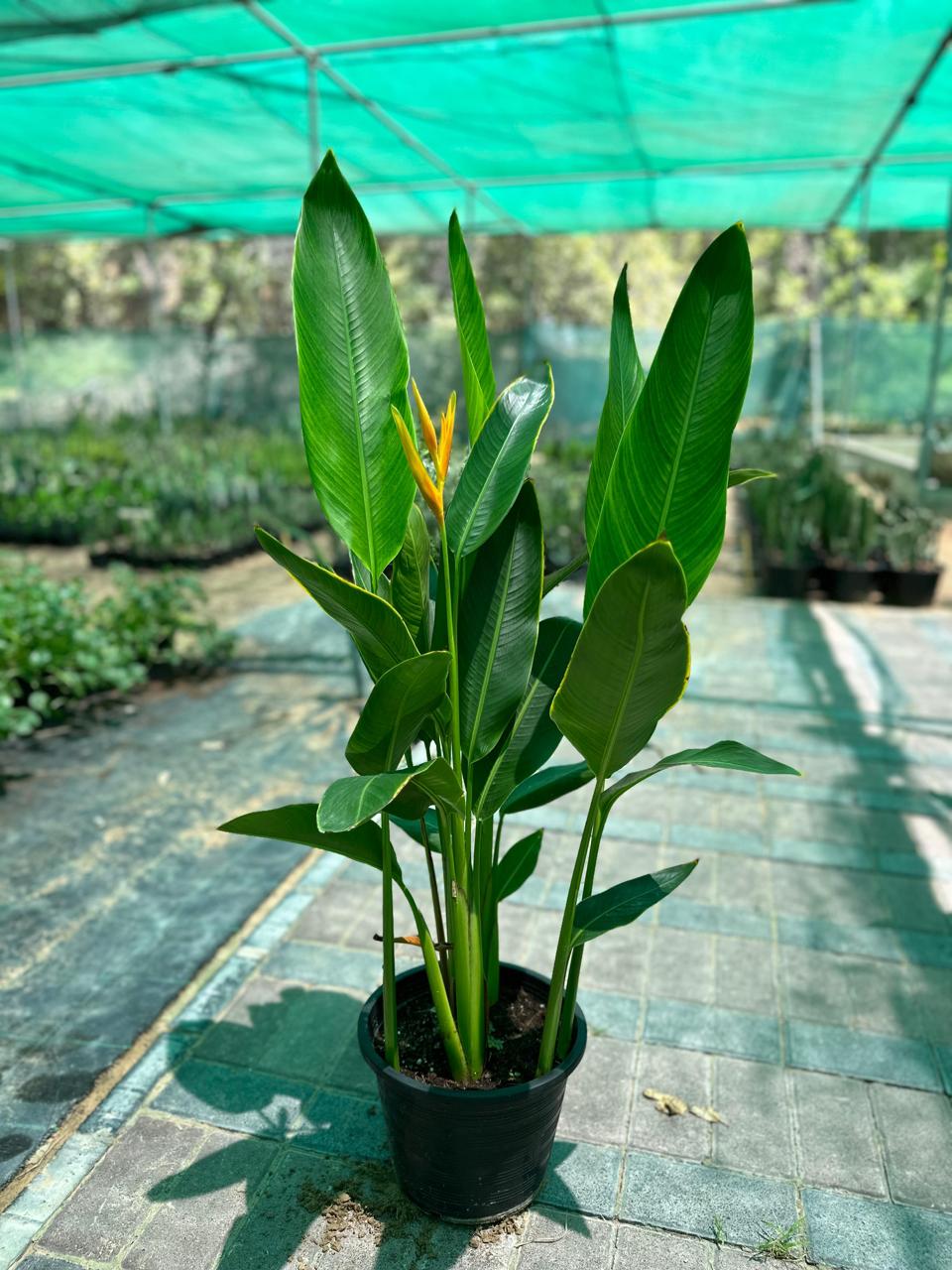
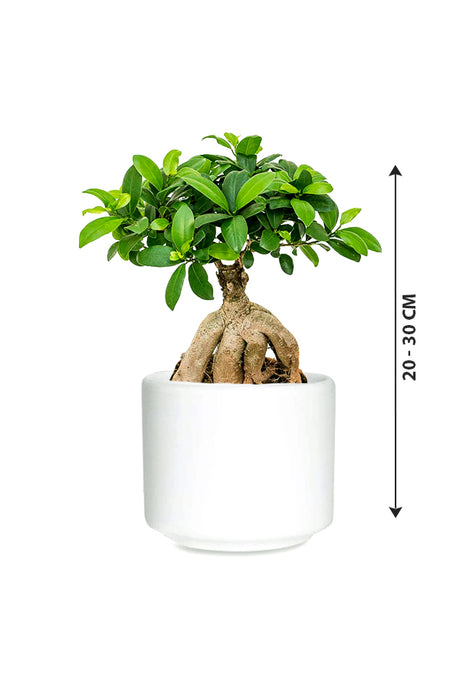
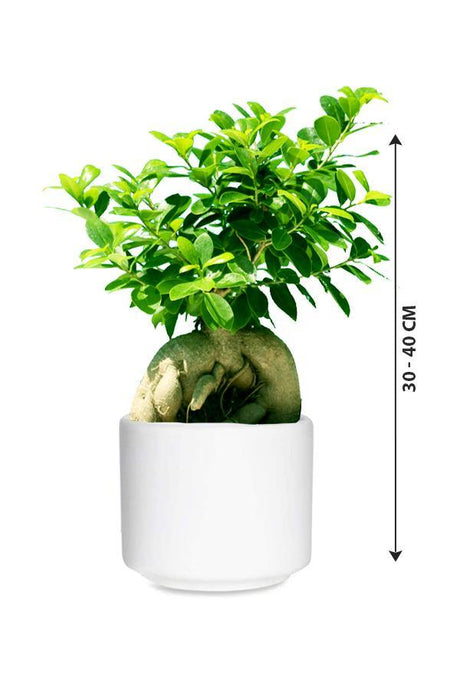
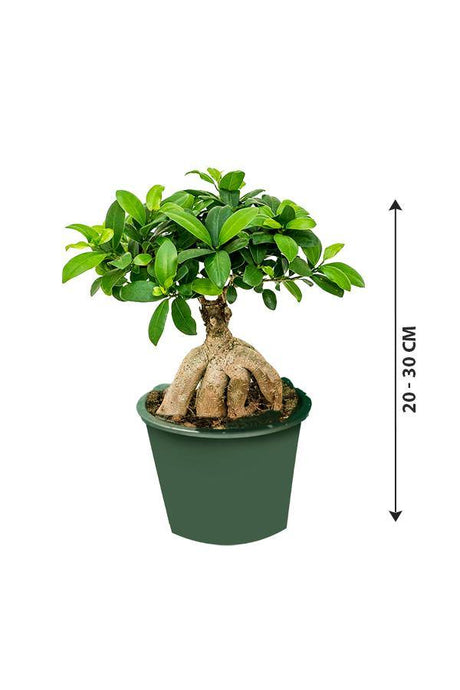
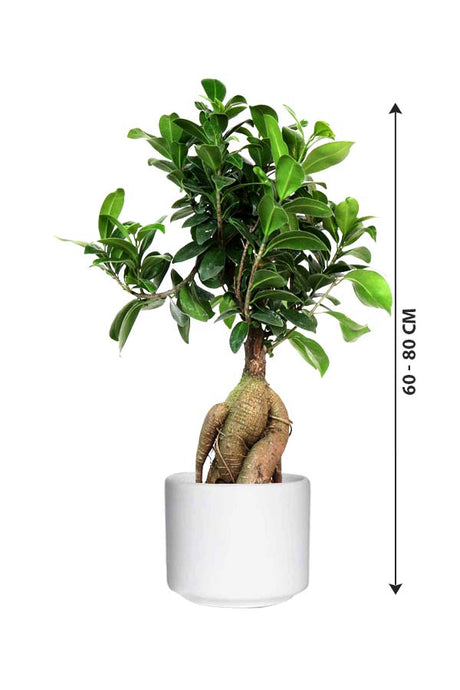
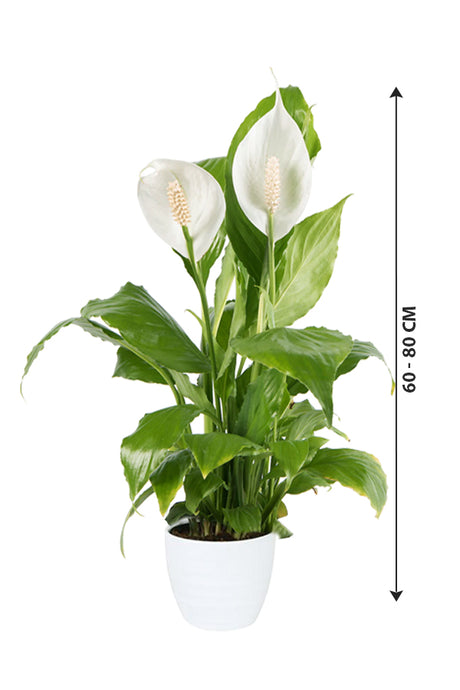
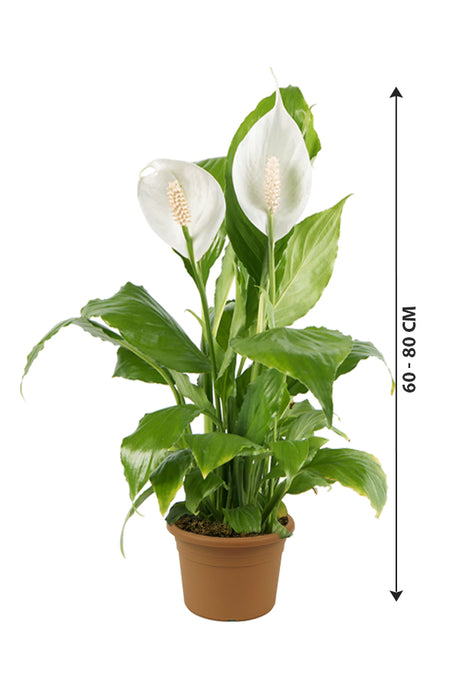
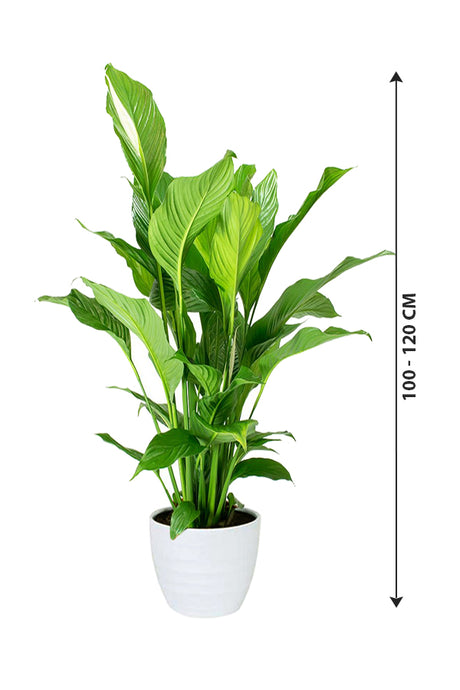
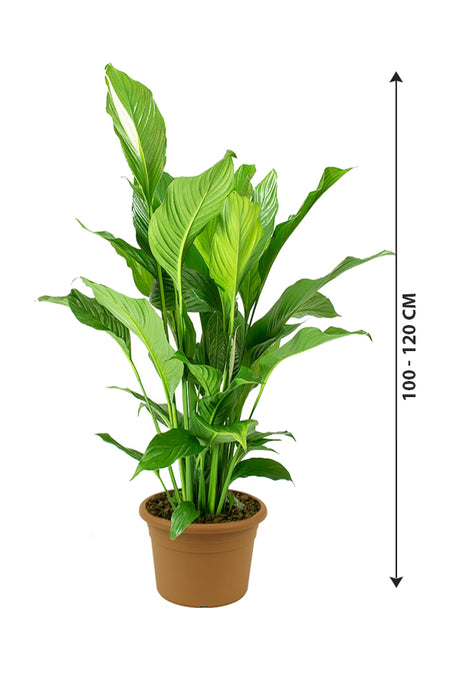
🌿 Q: Is Heliconia good for beginners?
A: Yes. It's one of the easiest plants and thrives with minimal attention.
💧 Q: How often should I water this plant?
A: Water when the top layer of soil feels dry to the touch—usually once a week. The plant will show signs if it's thirsty, so let it guide you.
☀️ Q: Can this plant survive in indirect light?
A: Yes. It thrives in bright indirect light. Place it near a window with plenty of natural light. It can also tolerate some direct morning sun.
🐾 Q: Is this plant safe for pets and children?
A: No. Keep it away from pets and children if ingested. It's best placed on high shelves or in pet-free areas.
🇦🇪 Q: How does this plant do in UAE homes and offices?
A: Heliconia adapts well to UAE indoor conditions. The stable, air-conditioned environment helps it thrive, making it suitable for apartments, villas, and offices.
🍂 Q: What should I do if leaves turn yellow?
A: Yellow leaves are usually caused by overwatering or poor drainage. Check that:
• The pot has drainage holes
• You're not watering too frequently
• The soil is well-draining
Fertilize monthly and remove yellow leaves as needed.
🌬️ Q: Does this plant improve indoor air quality?
A: Heliconia helps create a fresher indoor environment while adding a lush tropical appearance to homes and workspaces.
🪴 Q: Does it come with a pot?
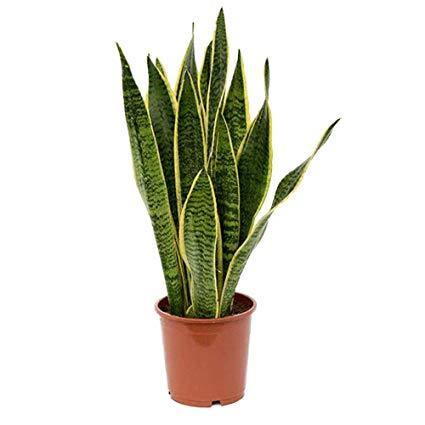
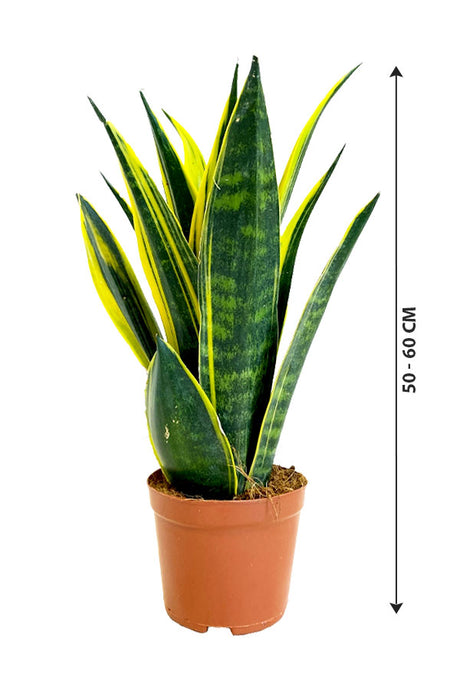
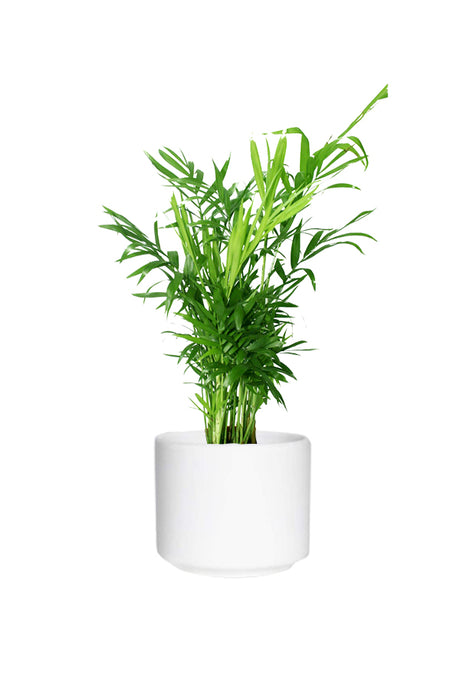
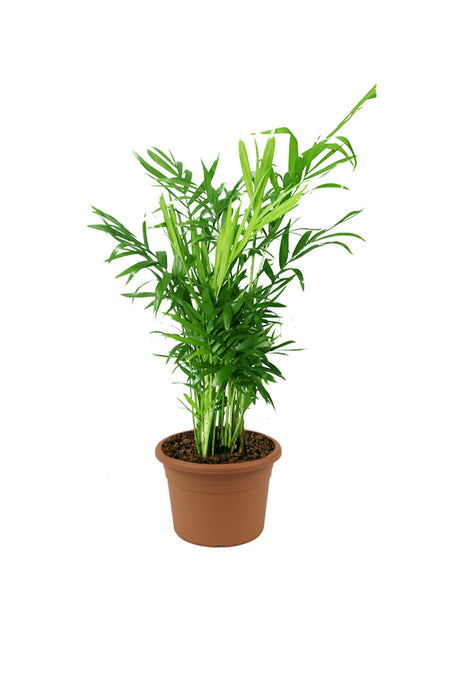
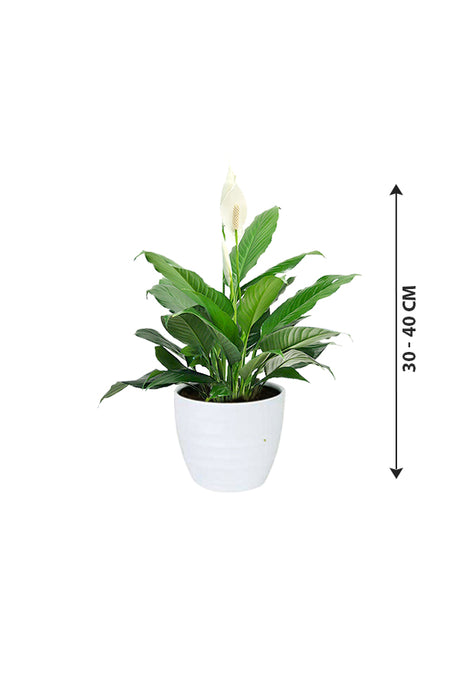
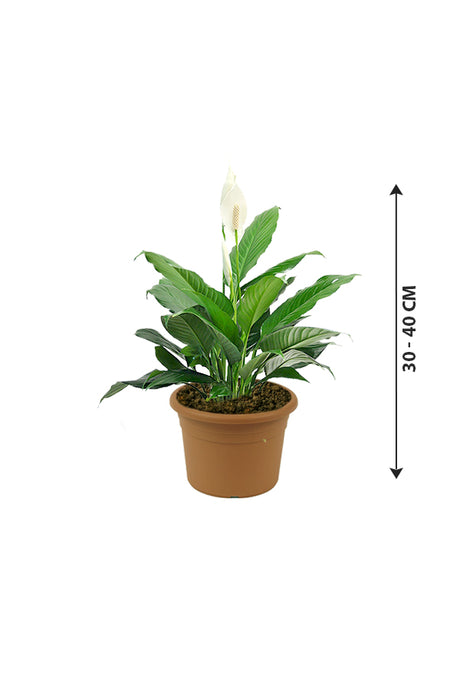
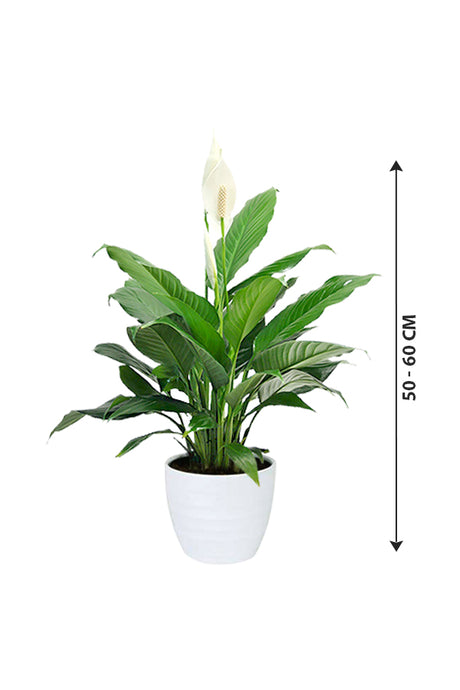
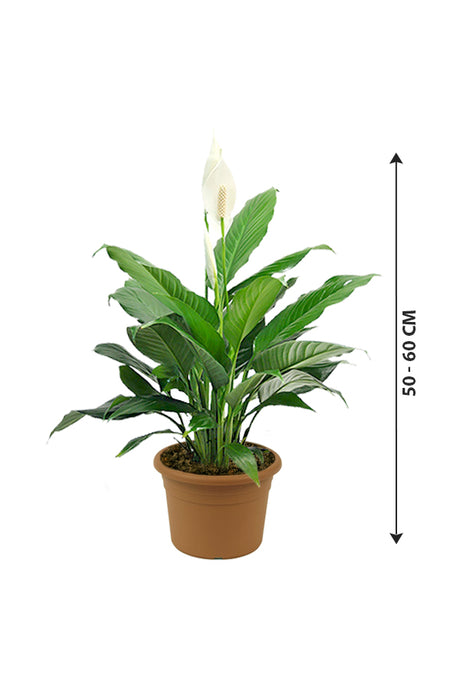
A: Yes. It arrives in an appropriate pot included in the price. You can repot it later if desired.
📏 Q: How big will this plant grow?
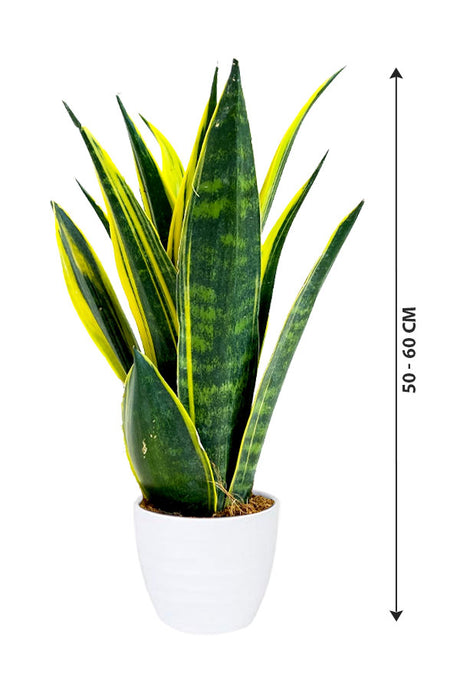
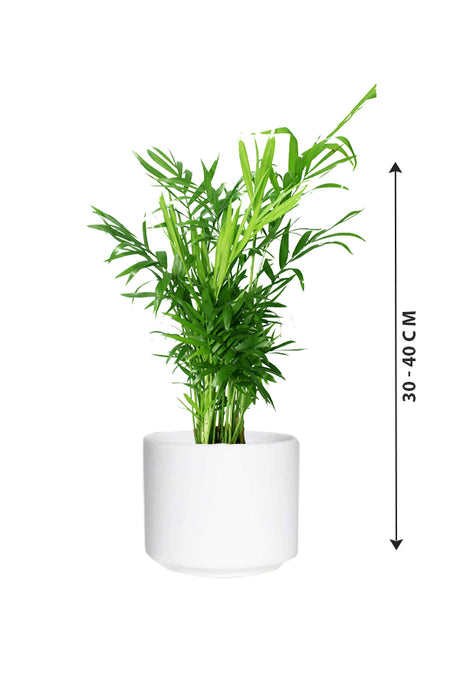
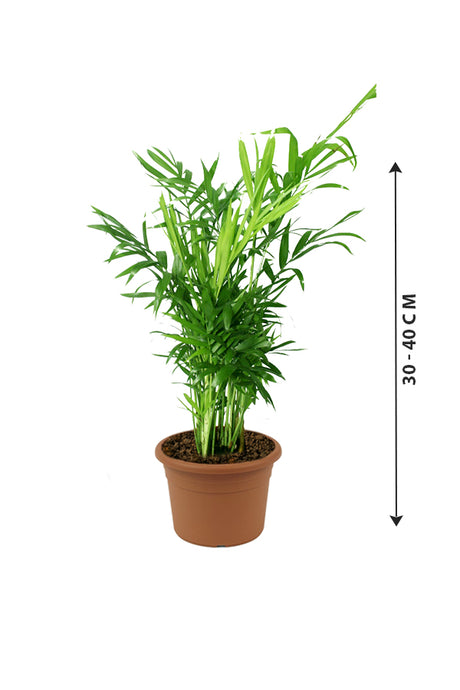
A: Heliconia can grow into a large tropical plant over time. Indoors, its size can be managed with proper care and container selection.
🛠️ Q: What are common problems and how do I fix them?
A:
• 🍂 Yellow leaves → Check drainage and reduce watering frequency
• 🤎 Brown leaf tips → Increase humidity and maintain consistent watering
• 🌿 Drooping leaves → Water promptly if the soil is dry
• 🌸 No flowering → Increase light exposure and fertilize regularly
• 🪴 Root rot → Improve drainage and reduce watering
📖 Need more help?
View the Complete Care Guide for detailed growing and maintenance tips.
Complete Care Guide
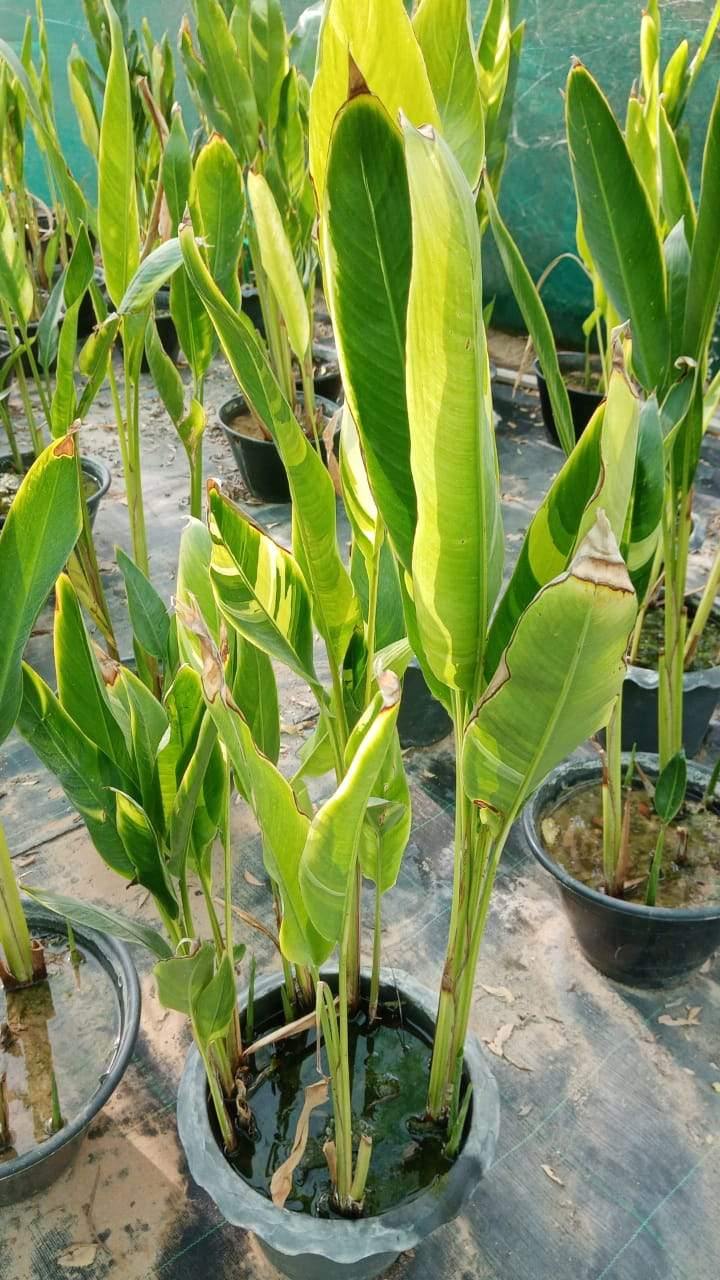
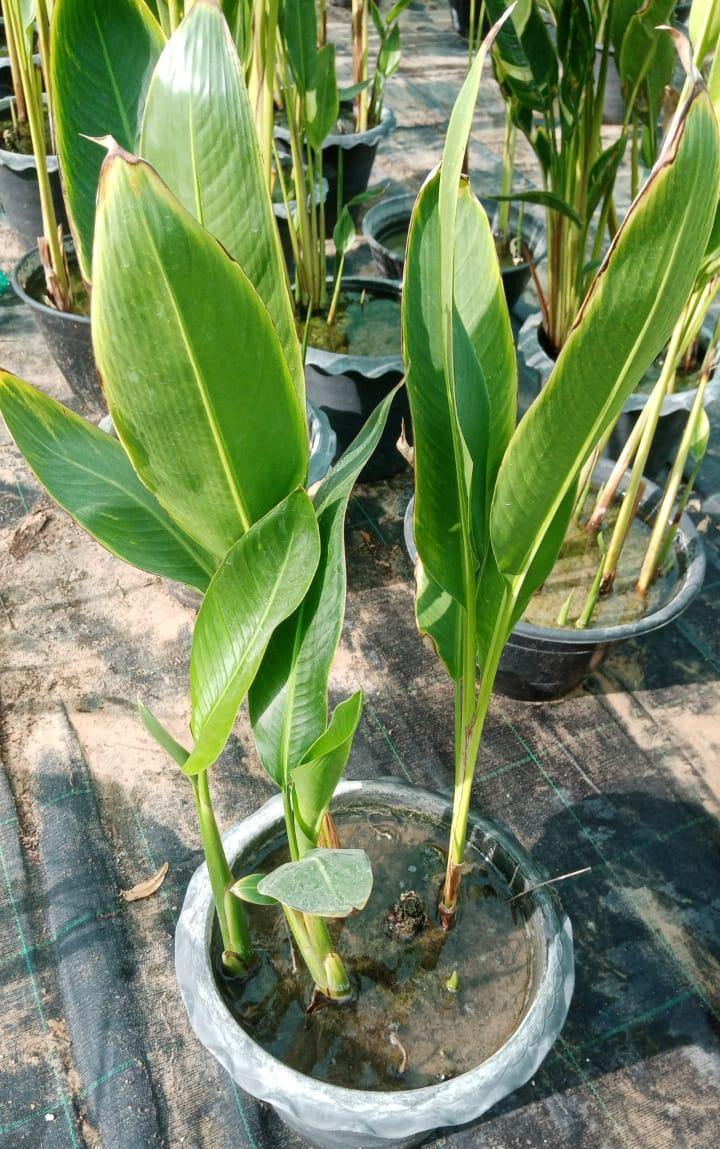
🌿 Q: How easy is Parrot's Beak Heliconia (Heliconia Psittacorum) to care for?
A: Parrot's Beak Heliconia is relatively easy to care for and rewards growers with vibrant tropical flowers. It is suitable for beginners who can provide adequate light and regular watering.
☀️ Q: What light does Parrot's Beak Heliconia need? Where should I place it?
A: This plant thrives in bright light and can tolerate several hours of direct sunlight. Place it in a sunny balcony, patio, garden, or near a bright window for best flowering results.
💧 Q: How often should I water Parrot's Beak Heliconia?
A: Keep the soil consistently moist but not soggy.
• 🌞 Summer: Water 2–3 times per week or when the topsoil begins to dry
• 🍂 Winter: Water once per week or as needed
Avoid allowing the soil to dry out completely.
🪴 Q: What type of soil and pot are best for Parrot's Beak Heliconia?
A: Use fertile, well-draining soil rich in organic matter. A pot with drainage holes is essential to prevent waterlogging.
🌡️ Q: Can Parrot's Beak Heliconia handle the UAE climate?
A: Yes. It performs well in the UAE when provided with sufficient water and protection from extreme afternoon heat. It thrives in warm temperatures and tropical-style gardens.
💦 Q: Does Parrot's Beak Heliconia need high humidity or special leaf care?
A: Yes. It appreciates moderate to high humidity. Mist occasionally and clean leaves regularly to keep them healthy and attractive.
🌱 Q: How often should I fertilize Parrot's Beak Heliconia?
A: Apply a balanced fertilizer every 4–6 weeks during spring and summer to encourage lush foliage and abundant flowering.
🔄 Q: When should I repot my Parrot's Beak Heliconia?
A: Repot every 1–2 years or when roots become crowded. Refresh the soil and move to a slightly larger container if needed.
⚠️ Q: What are the most common problems and solutions?
A:
• 🍂 Yellow leaves → Usually caused by overwatering or nutrient deficiency
• 🤎 Brown leaf edges → Low humidity or underwatering
• 🌿 Drooping leaves → Insufficient water or heat stress
• 🌸 No flowers → Increase sunlight exposure and fertilize regularly
🌱 Q: How can I propagate Parrot's Beak Heliconia?
A: The easiest method is division. Separate healthy rhizomes with roots attached and plant them in fresh, moist soil.
📅 Q: How should I care for Parrot's Beak Heliconia throughout the year?
A:
🌸 Spring: Resume feeding and encourage new growth
☀️ Summer: Water frequently and monitor humidity
🍂 Autumn: Continue moderate watering and reduce feeding
❄️ Winter: Water less often while maintaining bright light
🛠️ Q: How do I troubleshoot common Parrot's Beak Heliconia care issues?
A:
• Leaves turning yellow? → Check drainage and watering habits
• Plant not flowering? → Move to a sunnier location and fertilize regularly
• Brown leaf tips? → Increase humidity and water consistently
• Wilting leaves? → Check soil moisture and avoid prolonged dryness
Structured metadata
🌿 Name: Parrot's Beak Heliconia – Heliconia Psittacorum
🔬 Scientific Name: Heliconia rostrata Ruiz
🌱 Care Level: Easy to Care
☀️ Light: Indirect Light
💧 Water: Weekly
🌡️ Temperature: 18–24°C Ideal
💦 Humidity: Moderate
🐾 Pet Safe: No
🏡 Best For: Balcony
🪴 Indoor/Outdoor: Indoor (Primarily)
🇦🇪 UAE Suitable: Yes
💰 Price: AED 119.00 - 129.00
⚠️ Common Problems: Yellow Leaves, Brown Tips, Root Rot, Drooping Leaves, No Flowering