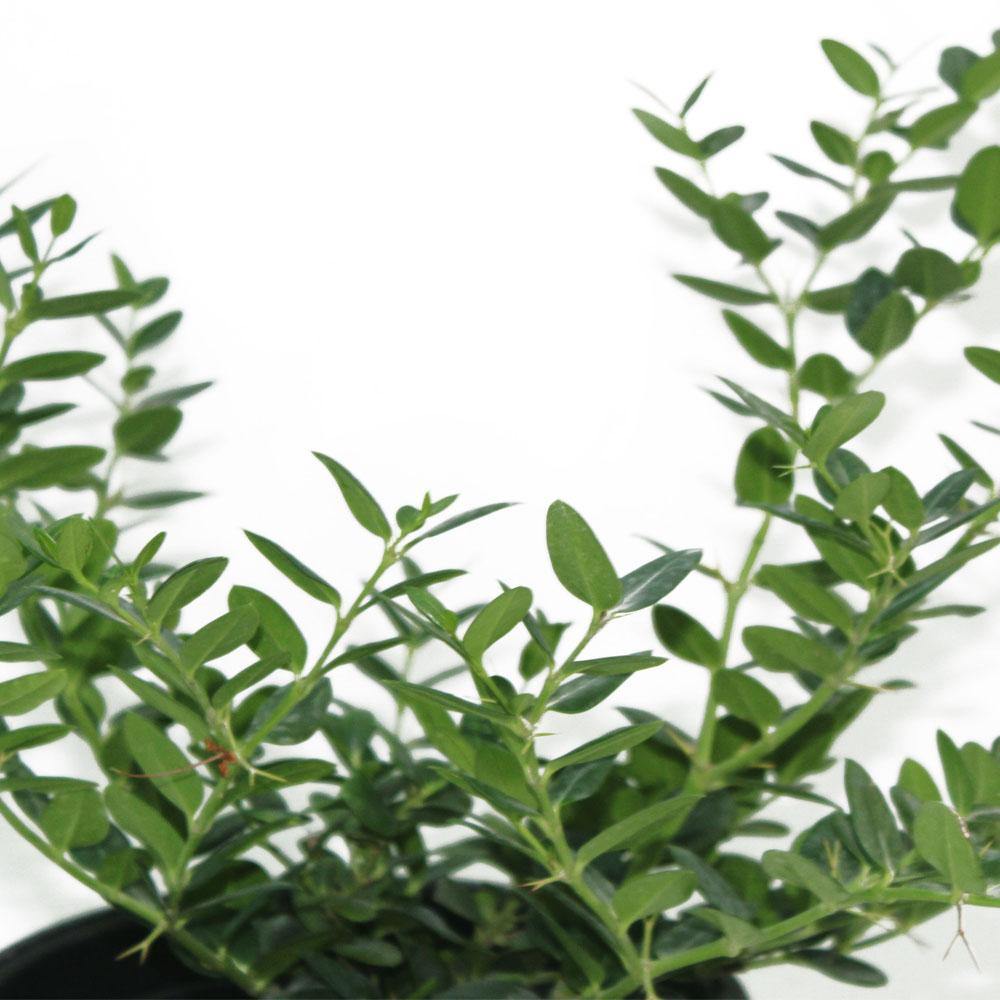
🌱 Q: Is Carissa good for beginners?
Yes. Carissa is easy to care for and very hardy once established, making it a good choice for beginner gardeners.
💧 Q: How often should I water this plant?
Water when the top layer of soil feels dry, usually about once a week. It is drought-tolerant once mature.
☀️ Q: Can this plant survive in full light?
Yes. Carissa thrives in full sunlight and grows best with 6–8 hours of direct sun daily.
🐾 Q: Is this plant safe for pets and children?
No. Carissa is not pet-safe if ingested, so it should be kept away from pets and small children.
🏡 Q: How does this plant do in UAE homes and offices?
It performs very well in UAE outdoor conditions, especially in balconies, gardens, and sunny open areas.
🍂 Q: What should I do if leaves turn yellow?
Yellow leaves are usually caused by overwatering or poor drainage. Reduce watering and ensure proper soil drainage.
🌿 Q: Does this plant improve indoor air quality?
Yes. Carissa adds natural greenery and helps improve the freshness and appearance of living spaces.
🪴 Q: Does it come with a pot?
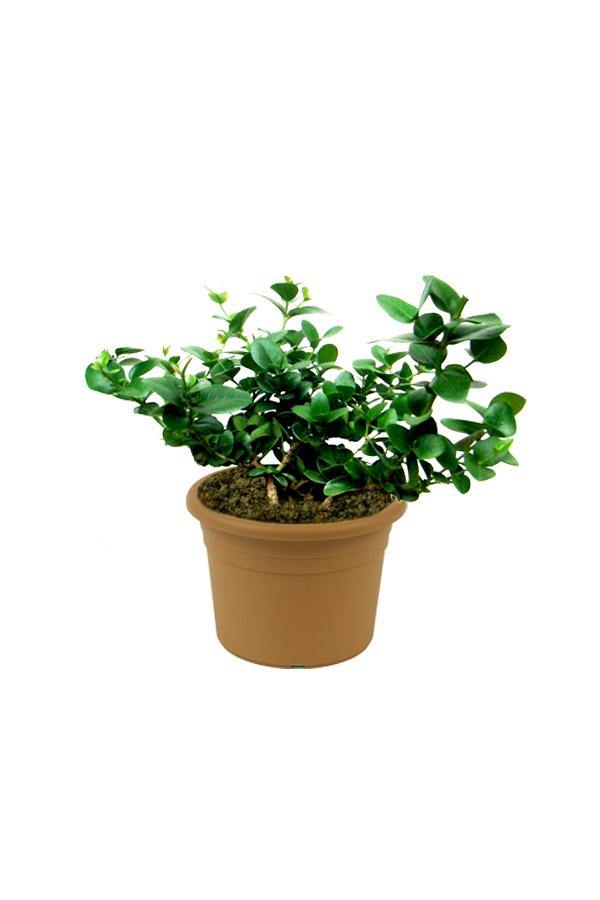
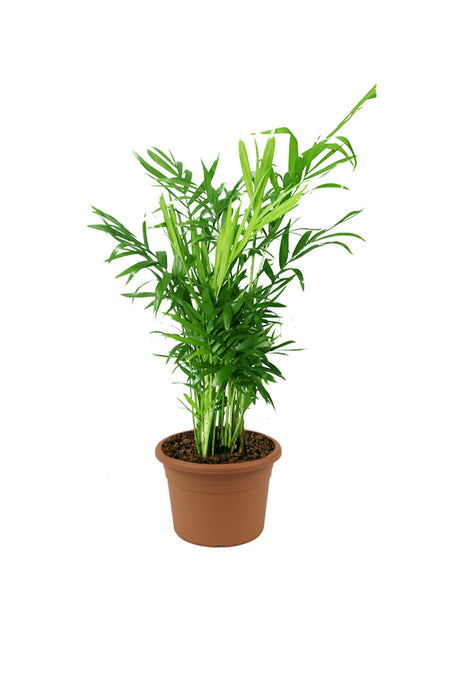
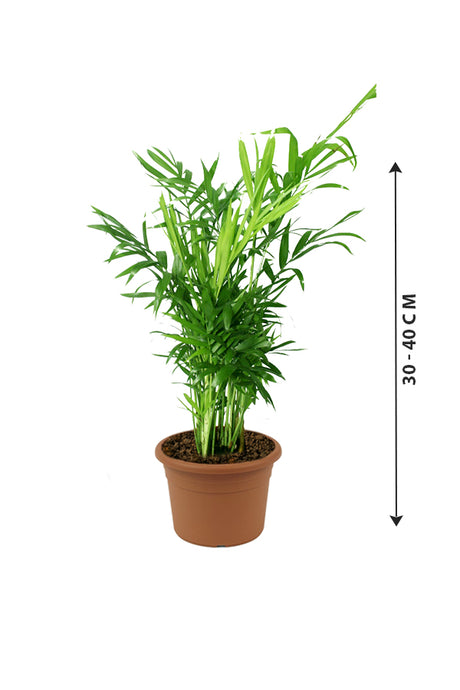
Yes. It comes in a nursery pot included in the price. You can repot it later if needed.
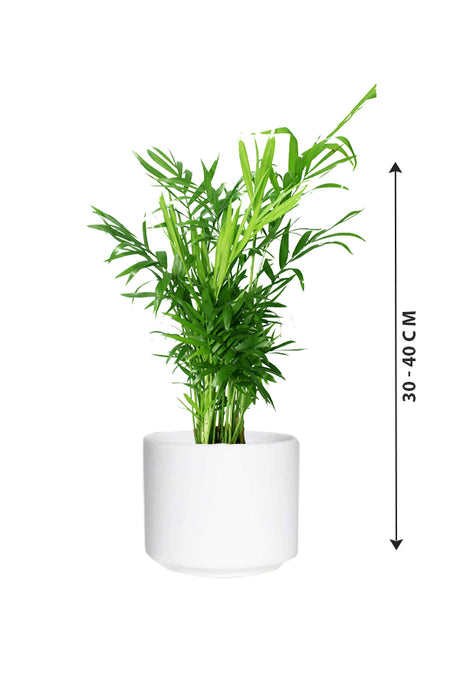
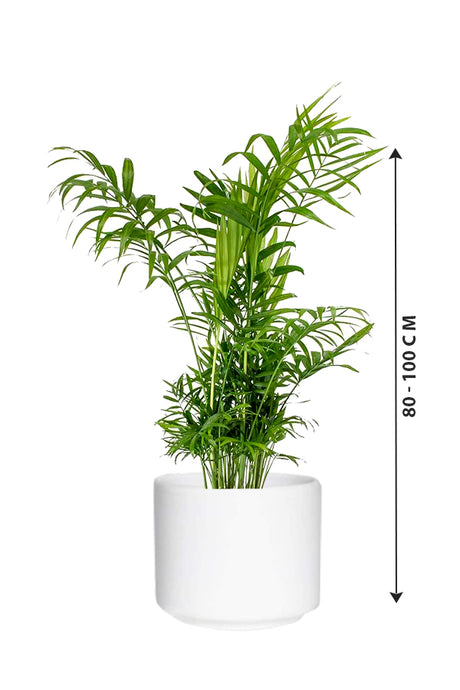
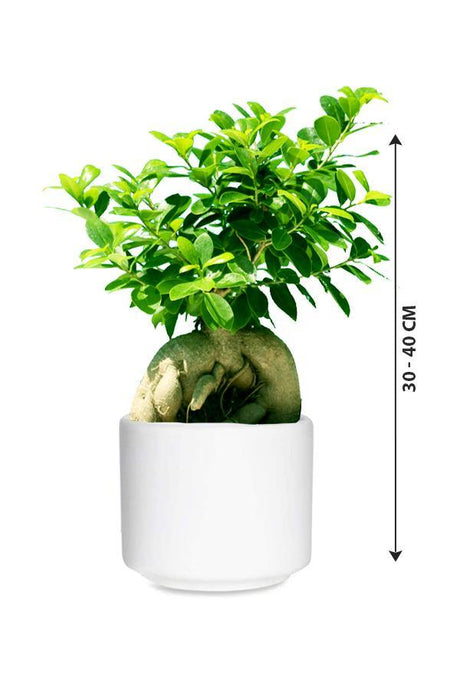
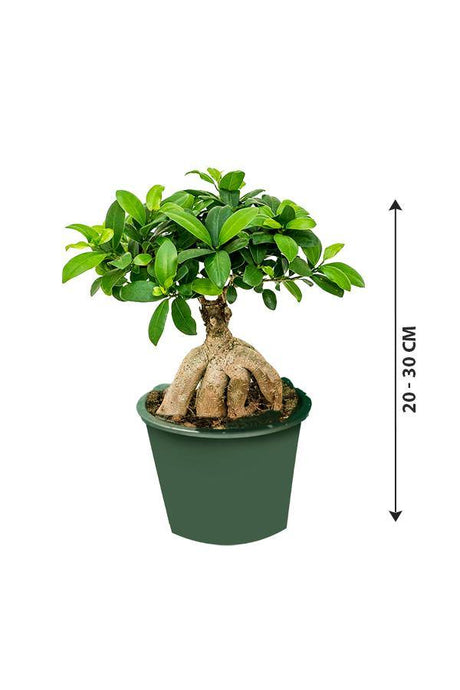
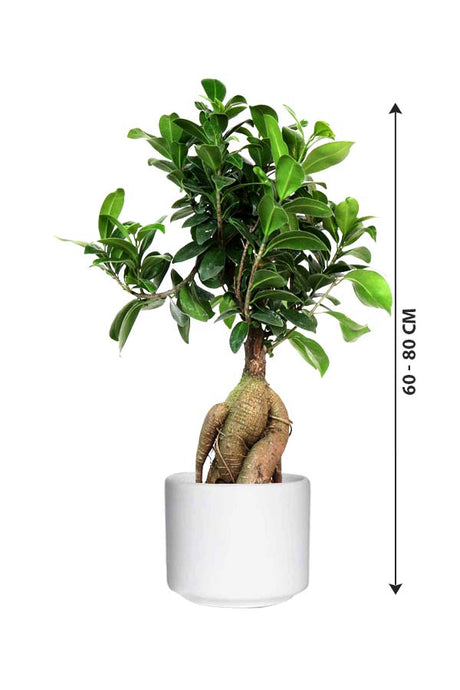
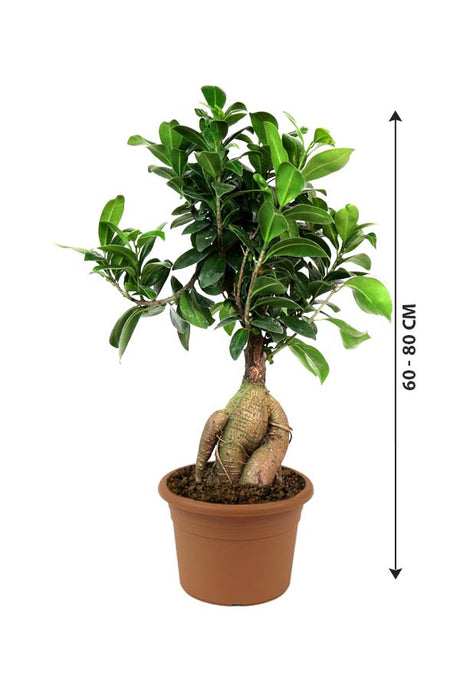
📏 Q: How big will this plant grow?
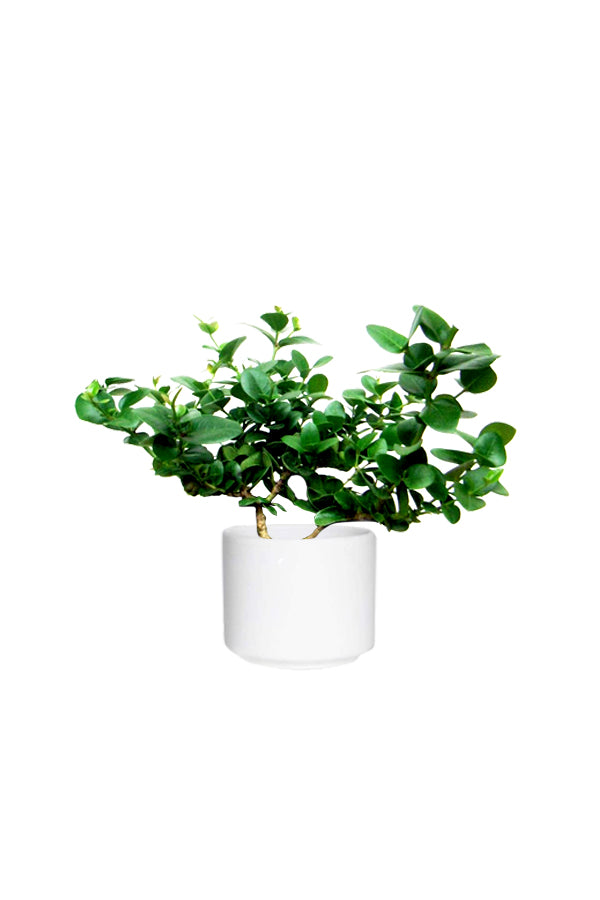
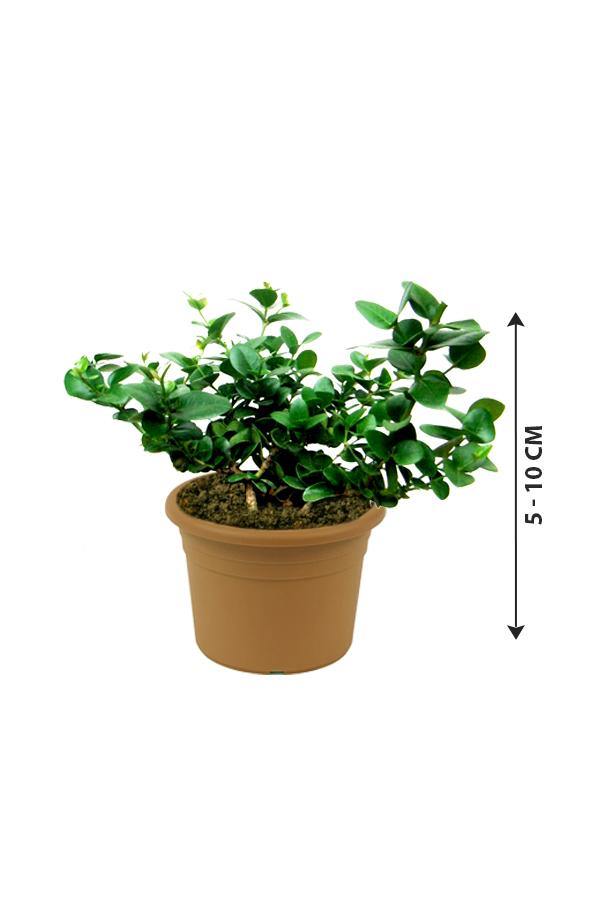
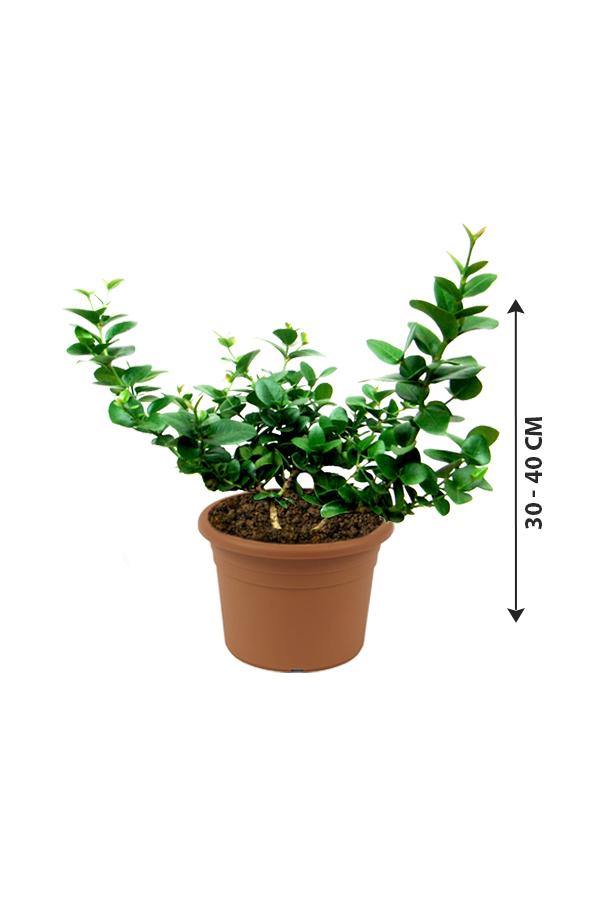
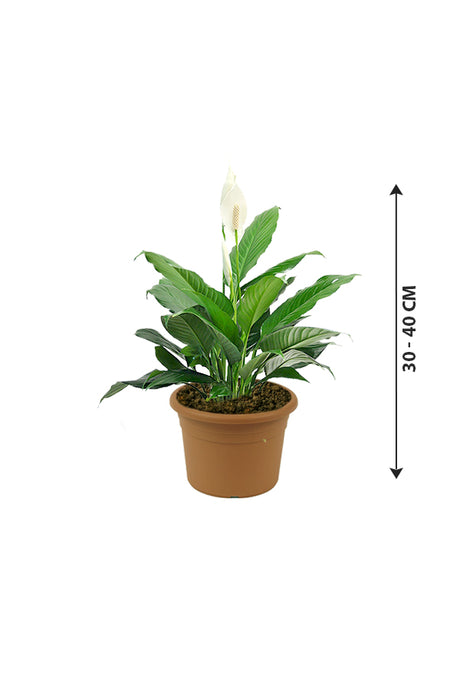
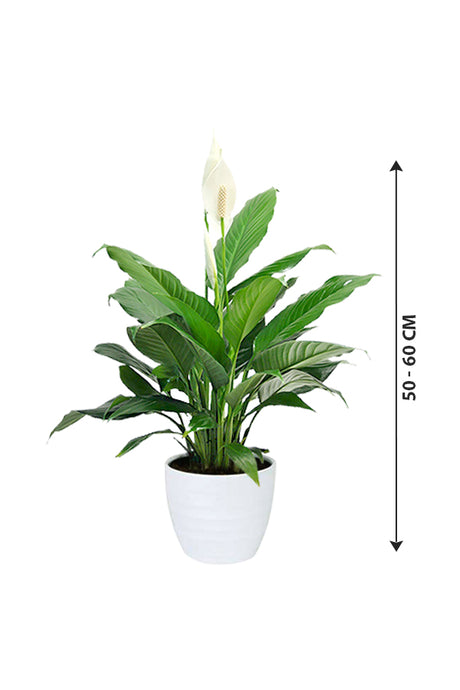
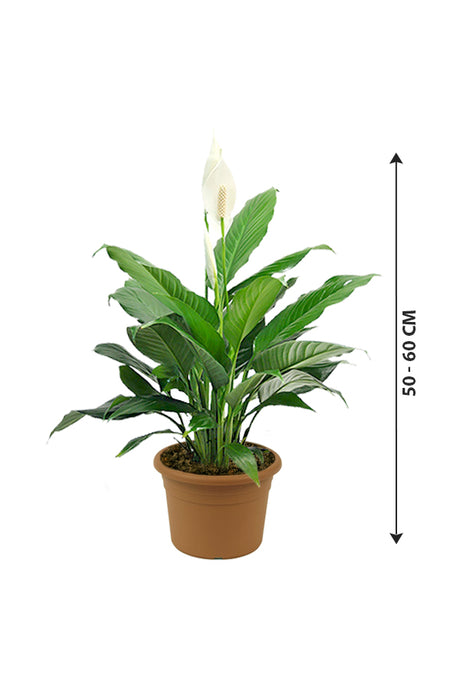
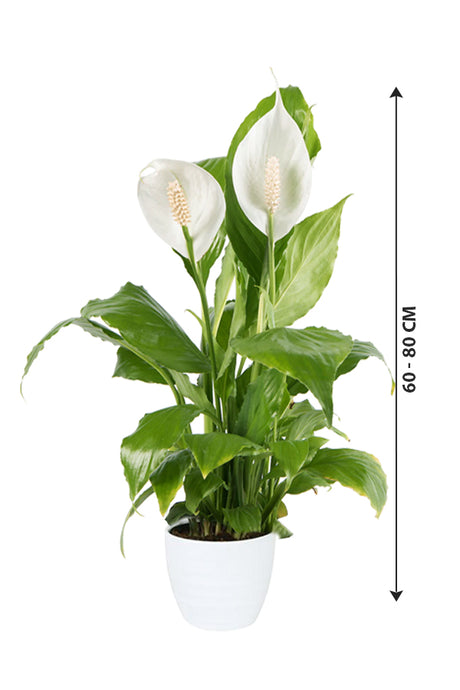
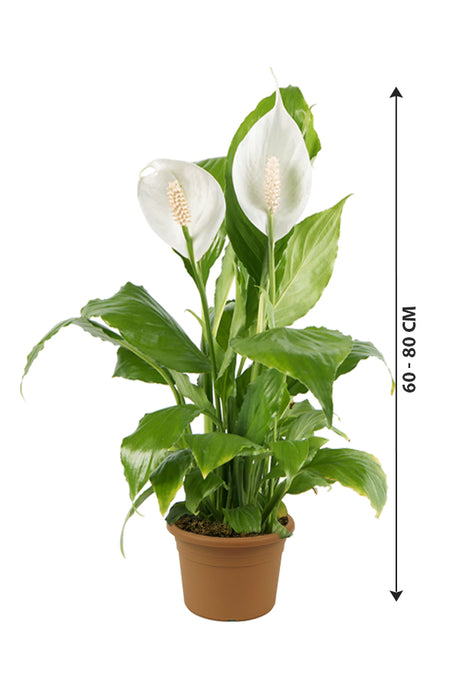
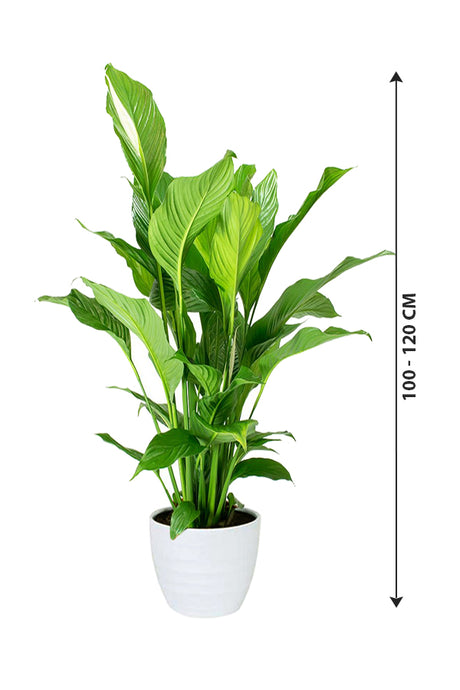
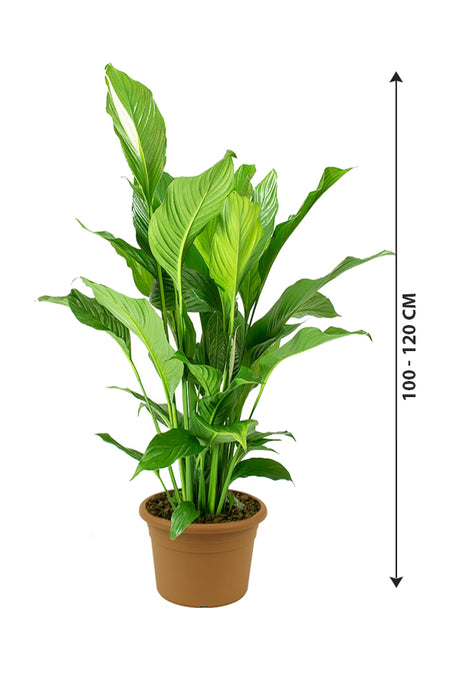
Carissa can grow into a dense shrub or small hedge plant, depending on pruning and care.
🛠️ Q: What are common problems and how do I fix them?
• 🍂 Yellow leaves → Reduce watering and improve drainage
• 🤎 Brown tips → Heat or water stress
• 🌿 Drooping leaves → Check soil moisture
• 🌱 Slow growth → Provide full sunlight
• 🪴 Root rot → Avoid overwatering and improve soil drainage
Complete Care Guide
🌱 Q: What is the care level of Natal Plum - Carissa macrocarpa?
Natal Plum is easy to moderate care. It is hardy, drought-tolerant, and adapts well to warm climates like the UAE.
☀️ Q: What light does Natal Plum need?
It prefers full sun to partial shade. At least 5–6 hours of direct sunlight daily ensures healthy growth and flowering.
💧 Q: How often should I water Natal Plum?
Water when the top soil is dry.
- ☀️ Summer: 2–3 times per week
- 🌤️ Winter: once a week or less
Avoid waterlogging.
🪴 Q: What soil and pot are best for Natal Plum?
Use well-draining sandy or loamy soil. A pot with drainage holes or open ground planting is ideal.
🌡️ Q: Is Natal Plum suitable for UAE climate?
Yes. It performs very well in hot, sunny UAE conditions and is highly drought-tolerant once established.
💦 Q: Does Natal Plum need humidity or special leaf care?
No special humidity needs. It thrives in low to moderate humidity and requires minimal maintenance.
🌿 Q: How often should I fertilize Natal Plum?
Feed every 6–8 weeks during the growing season with a balanced fertilizer to encourage flowering and growth.
🔄 Q: When should I repot Natal Plum?
Repot every 2–3 years or when roots outgrow the container. Refresh soil to maintain healthy growth.
🛠️ Q: What are common problems with Natal Plum and how do I fix them?
- 🍂 Yellow leaves: Overwatering or poor drainage
- 🤎 Brown tips: Heat stress or underwatering
- 🌿 Drooping leaves: Water stress or root issues
- 🐛 Pests: Rare, treat with neem oil if needed
- 🪴 Root rot: Excess moisture and poor drainage
🌱 Q: How do I propagate Natal Plum - Carissa macrocarpa?
Propagation is mainly done through stem cuttings, which root best in warm, humid conditions.
📅 Q: How should I care for Natal Plum throughout the year?
- 🌸 Spring: Active growth and flowering—feed regularly
- ☀️ Summer: Full sun and moderate watering
- 🍂 Autumn: Reduce watering slightly
- ❄️ Winter: Minimal watering and protect from cold drafts
❓ Q: How can I troubleshoot Natal Plum problems?
Ensure full sun, avoid overwatering, and use well-draining soil. The plant is resilient and responds quickly to improved care conditions.
Structured metadata
🌸 Name: Natal Plum - Carissa Macrocarpa
🔬 Scientific Name: Carissa macrocarpa
🌱 Care Level: Easy to Care
☀️ Light: Full Light
💧 Water: Weekly
🌡️ Temperature: 18–24°C (Ideal)
💦 Humidity: Moderate
🐾 Pet Safe: No
🌿 Best For: Balcony
🏡 Indoor/Outdoor: Indoor (Primarily)
🇦🇪 UAE Suitable: Yes
💰 Price: AED 10.00 - 19.00
🛠️ Common Problems: Yellow leaves, brown tips, root rot, drooping, and no flowering.