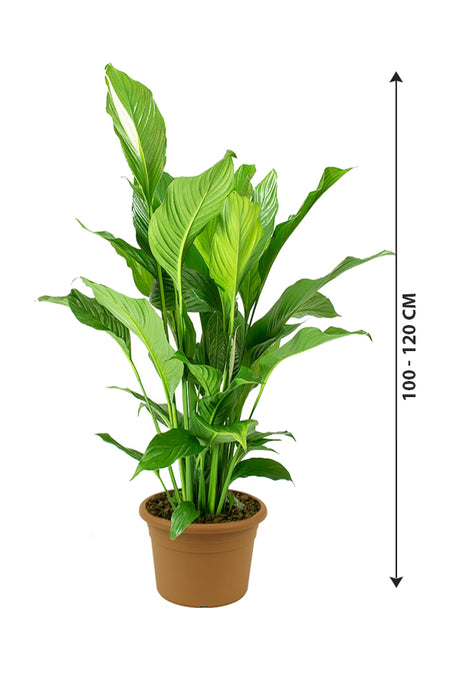
🌱 Q: Is Jasminum good for beginners?
It's moderately easy to care for. While it requires regular watering, sunlight, and occasional pruning, it's a rewarding plant for attentive growers.
💧 Q: How often should I water this plant?
Water when the top layer of soil feels slightly dry. Typically, water 2–3 times a week during summer and reduce watering during cooler months. Avoid waterlogging.
☀️ Q: Can this plant survive in full light?
Yes. Jasminum thrives in full sunlight and blooms best with 4–6 hours of direct sunlight each day. It can also tolerate partial shade.
🐾 Q: Is this plant safe for pets and children?
Yes. Jasminum is generally considered safe for pets and children, making it a suitable choice for family homes.
🏡 Q: How does this plant do in UAE homes and offices?
Jasminum grows well in the UAE climate. It thrives on sunny balconies, terraces, gardens, and bright indoor spaces with good airflow. Regular watering is important during hot weather.
🍂 Q: What should I do if the leaves turn yellow?
Yellow leaves are usually caused by overwatering, underwatering, or poor drainage. Check soil moisture, ensure the pot has drainage holes, and remove yellow leaves to encourage healthy new growth.
🌿 Q: Does this plant improve indoor air quality?
Yes. Jasminum helps freshen indoor spaces and is valued for its fragrant flowers, creating a pleasant and relaxing atmosphere in homes and offices.
🪴 Q: Does it come with a pot?
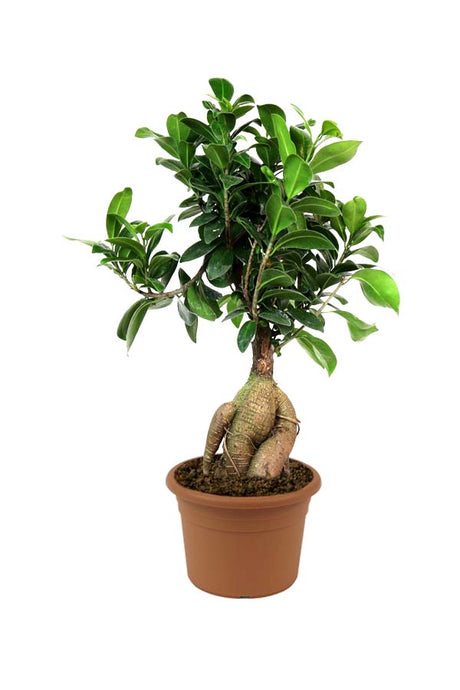
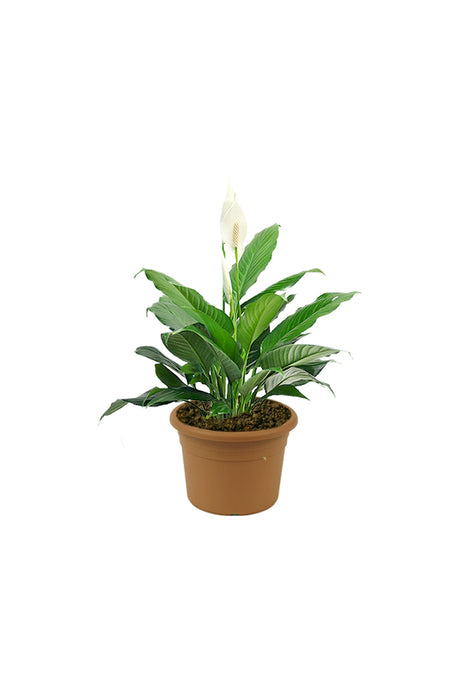
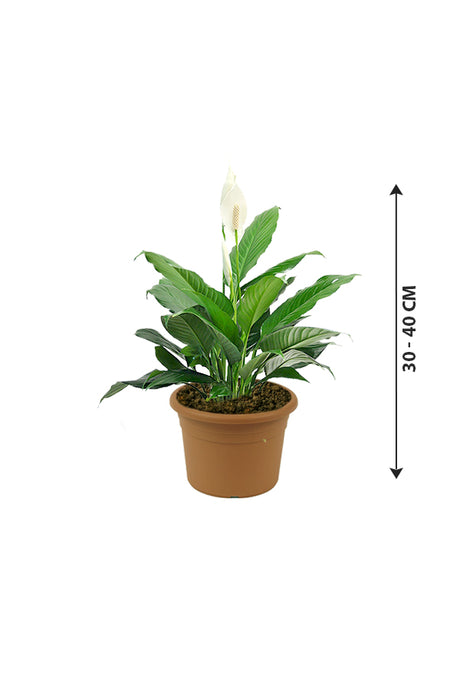
Yes. The plant arrives in a suitable nursery pot included in the price. You can repot it into a decorative planter whenever you like.
📏 Q: How big will this plant grow?
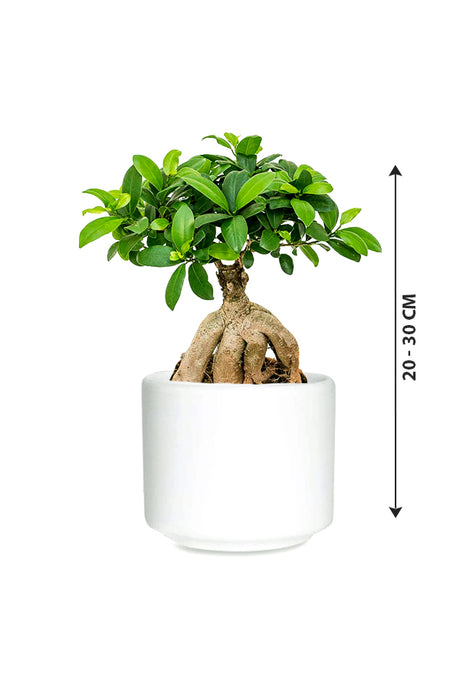
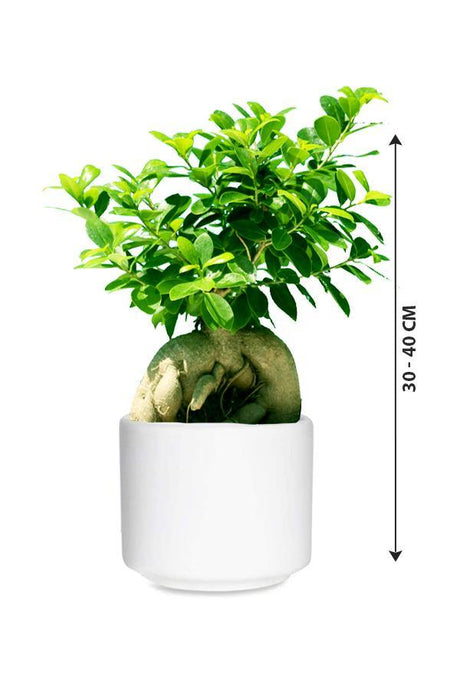
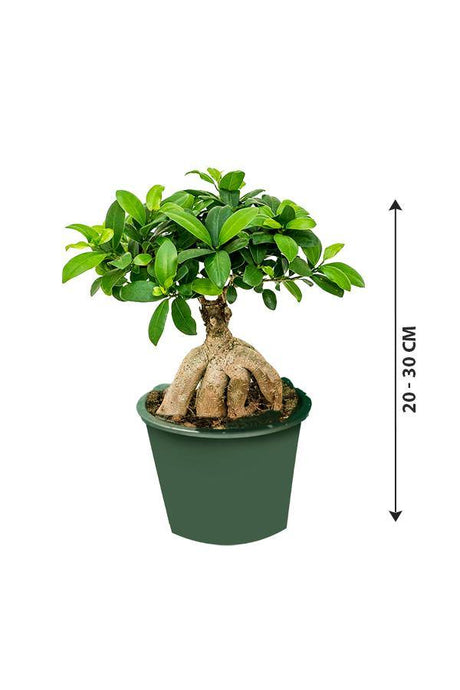
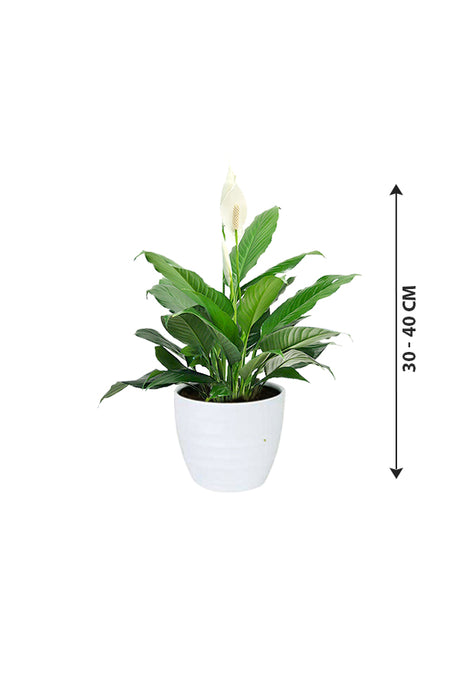
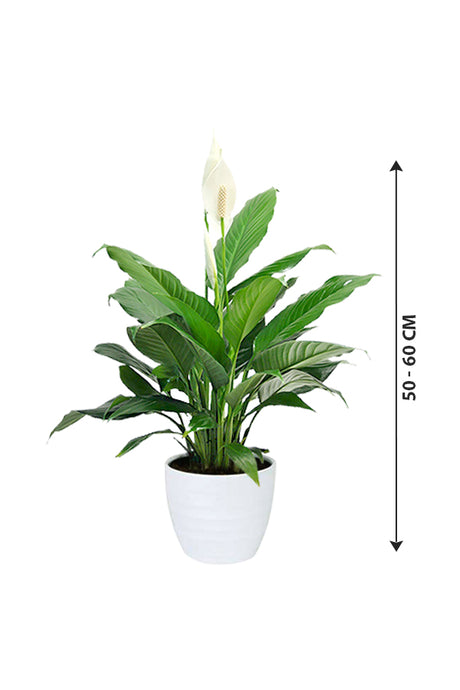
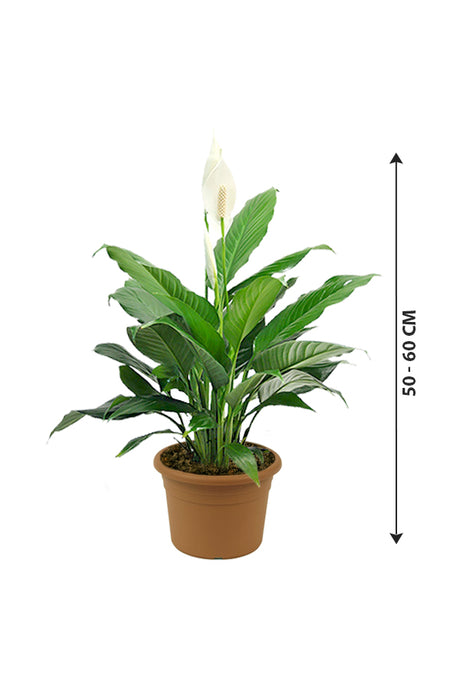
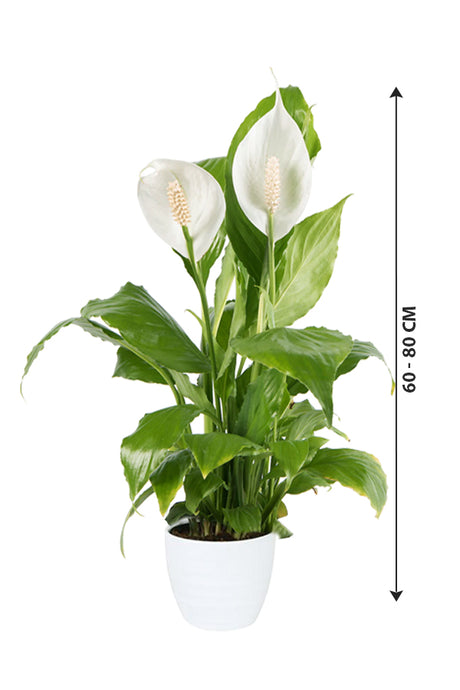
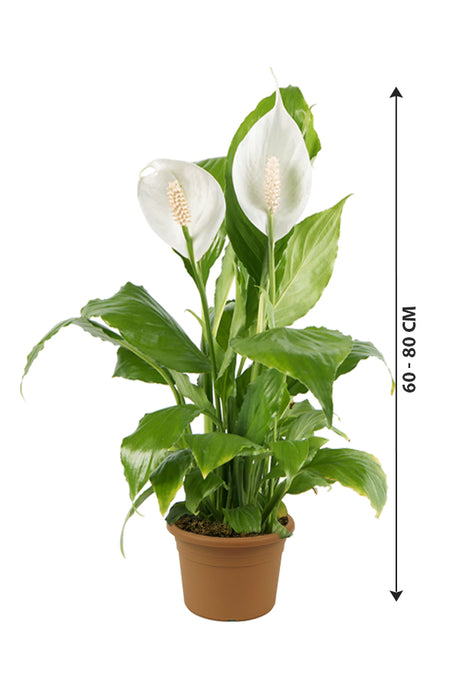
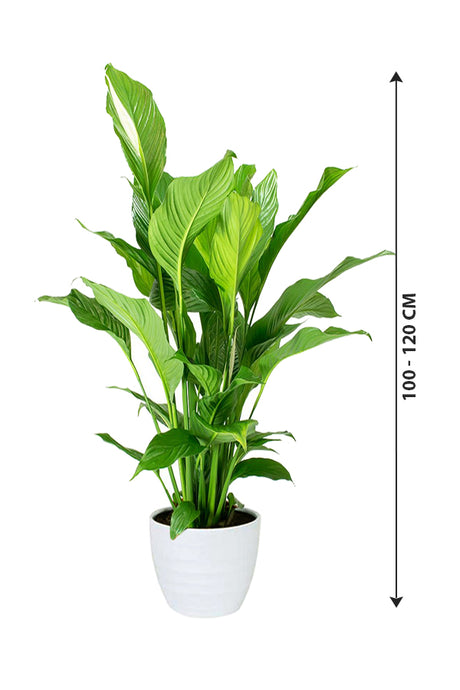
With proper care, Jasminum can grow into a lush flowering shrub or climber, reaching 1–3 meters depending on the variety and growing conditions. Regular pruning helps maintain its desired shape and size.
🛠️ Q: What are common problems and how do I fix them?
• 🍂 Yellow leaves → Improve drainage and adjust watering.
• 🤎 Brown leaf tips → Increase watering slightly during hot weather and avoid dry conditions.
• 🌿 Drooping leaves → Water the plant if the soil is dry and provide adequate sunlight.
• 🌸 No flowering → Ensure at least 4–6 hours of direct sunlight and fertilize during the growing season.
• 🪴 Root rot → Reduce watering, improve drainage, and repot into fresh, well-draining soil if necessary.
Complete Care Guide
🌱 Q: What is the care level of the Poets Jasmine - Jasminum Grandiflorum?
Poets Jasmine is moderately easy to care for. It thrives with regular watering, plenty of sunlight, and occasional pruning, making it suitable for both beginners and experienced gardeners.
☀️ Q: What light does the Poets Jasmine - Jasminum Grandiflorum need?
This plant grows best in full sun to partial shade. Provide at least 4–6 hours of direct sunlight daily to encourage healthy growth and abundant fragrant flowers.
💧 Q: How often should I water the Poets Jasmine - Jasminum Grandiflorum?
Keep the soil evenly moist but not soggy.
- ☀️ Summer: Water 2–3 times a week, or more often during extreme heat.
- 🌤️ Winter: Water once the top layer of soil becomes dry.
Avoid letting the roots sit in standing water.
🪴 Q: What type of soil and pot are best for the Poets Jasmine - Jasminum Grandiflorum?
Use a well-draining, fertile potting mix rich in organic matter. A pot with drainage holes is essential to prevent root rot and maintain healthy roots.
🌡️ Q: Is the Poets Jasmine - Jasminum Grandiflorum suitable for the UAE climate?
Yes. It grows well in the UAE when provided with regular watering and adequate sunlight. During peak summer afternoons, light shade can help protect the plant from excessive heat.
💦 Q: Does the Poets Jasmine - Jasminum Grandiflorum need high humidity or special leaf care?
It prefers moderate humidity. Occasionally clean the leaves to remove dust and prune faded flowers and dry branches to encourage fresh growth and continuous blooming.
🌿 Q: How often should I fertilize the Poets Jasmine - Jasminum Grandiflorum?
Feed with a balanced flowering fertilizer once every 4–6 weeks during spring and summer. Reduce fertilizing during autumn and winter when growth slows.
🔄 Q: When should I repot the Poets Jasmine - Jasminum Grandiflorum?
Repot every 2–3 years, or when the plant becomes root-bound. Choose a slightly larger pot with fresh, nutrient-rich, well-draining soil.
🛠️ Q: What are the common problems with the Poets Jasmine - Jasminum Grandiflorum and how can I fix them?
- 🍂 Yellow leaves: Usually caused by overwatering or poor drainage.
- 🌸 No flowers: Increase sunlight and fertilize during the growing season.
- 🐛 Aphids or spider mites: Treat with neem oil or insecticidal soap.
- 🌿 Drooping leaves: Water the plant if the soil is dry and avoid extreme heat stress.
- 🪴 Root rot: Improve drainage and reduce watering.
🌱 Q: How can I propagate the Poets Jasmine - Jasminum Grandiflorum?
The easiest method is through semi-hardwood stem cuttings. Plant healthy cuttings in moist, well-draining soil and keep them in a warm, bright location until roots develop.
📅 Q: How should I care for the Poets Jasmine - Jasminum Grandiflorum throughout the year?
- 🌸 Spring: New growth begins—start fertilizing and prune lightly.
- ☀️ Summer: Water regularly and enjoy peak flowering.
- 🍂 Autumn: Reduce fertilizing and continue light pruning if needed.
- ❄️ Winter: Water less frequently while ensuring the plant receives plenty of sunlight.
❓ Q: How can I troubleshoot problems with the Poets Jasmine - Jasminum Grandiflorum?
If your plant isn't thriving, check that it receives enough sunlight, water only when needed, use well-draining soil, fertilize during the growing season, and inspect regularly for pests. Prompt care adjustments will help restore healthy growth and flowering.
Structured metadata
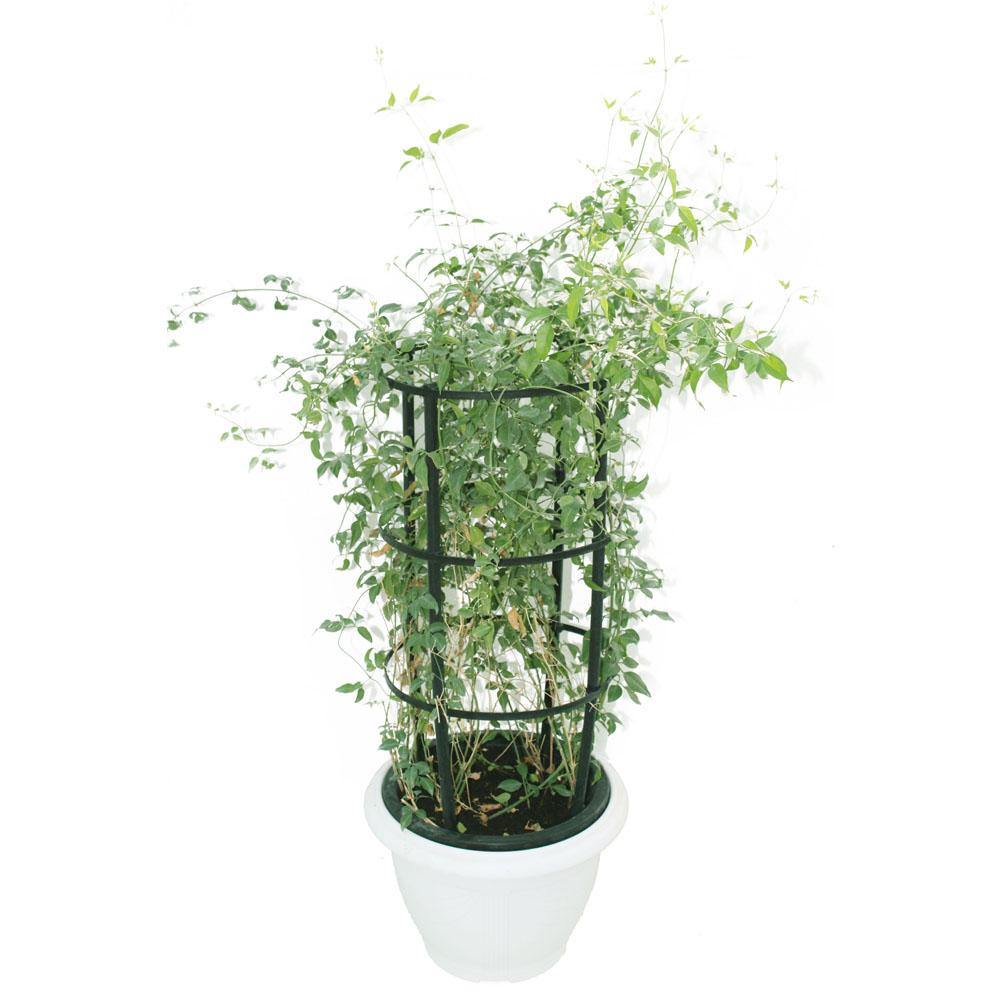
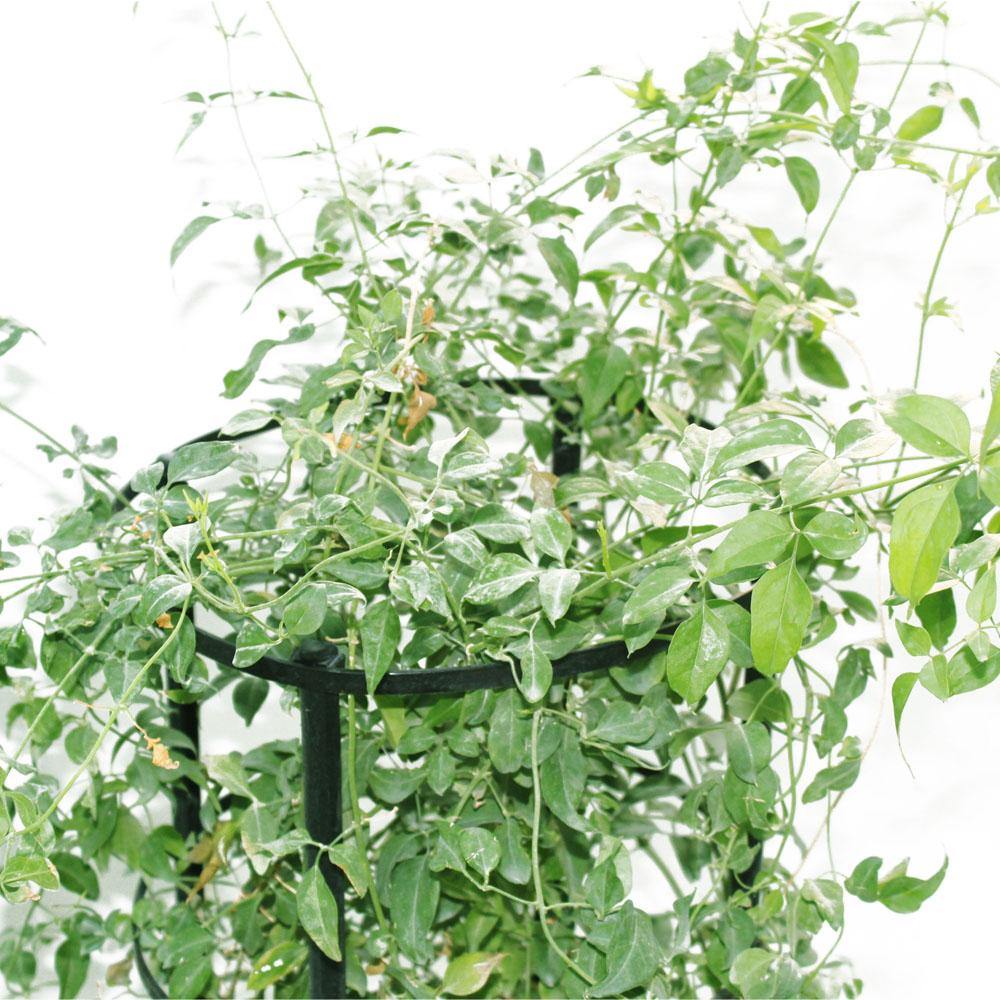
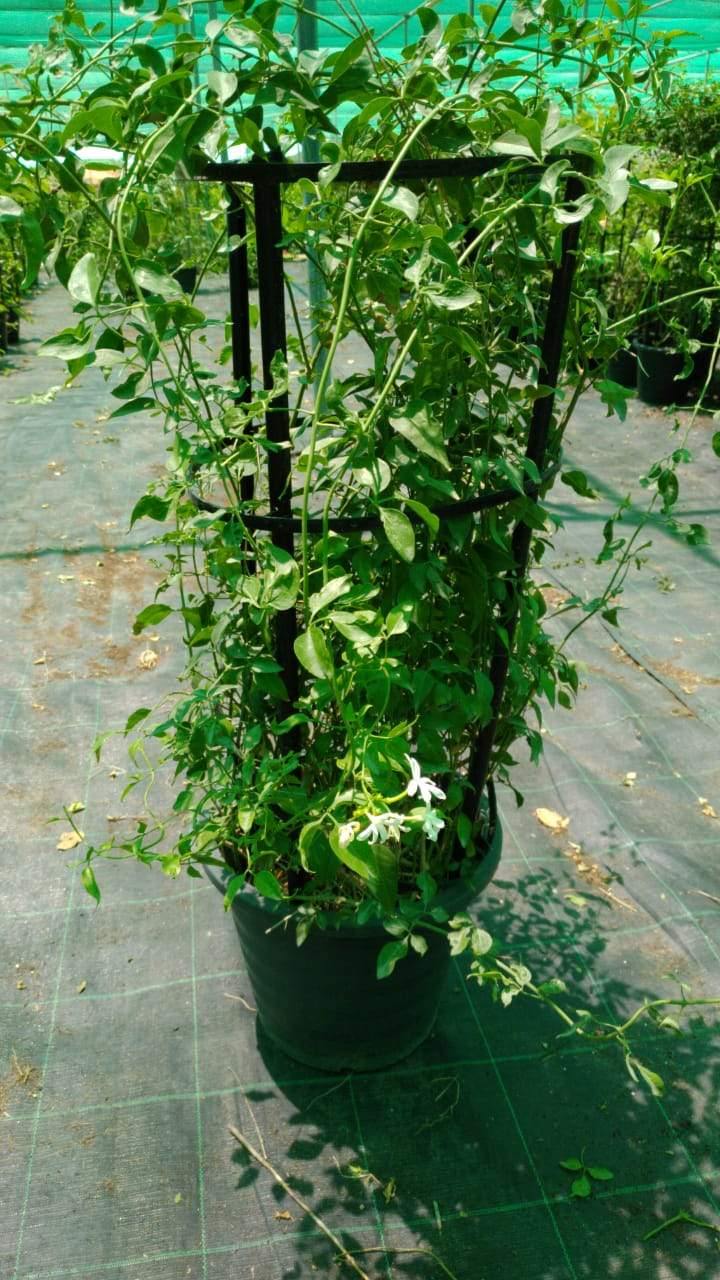
🌸 Name: Poets Jasmine - Jasminum Grandiflorum
🔬 Scientific Name: Jasminum sambac
🌱 Care Level: Moderate
☀️ Light: Full Light
💧 Water: Daily
🌡️ Temperature: 18–24°C (Ideal)
💦 Humidity: Moderate
🐾 Pet Safe: Yes
🌿 Best For: Balcony
🏡 Indoor/Outdoor: Indoor (Primarily)
🇦🇪 UAE Suitable:Yes
💰 Price: AED 52.00 - 69.00
🛠️ Common Problems: Yellow leaves, brown tips, root rot, drooping, and no flowering.