🌿 Q: Is Asplenium good for beginners?
A: Yes. It's one of the easiest plants and thrives with minimal attention.
💧 Q: How often should I water this plant?
A: Water when the top layer of soil feels slightly dry to touch—usually once a week. Keep the soil lightly moist but not soggy. The plant will show signs if thirsty.
🌤️ Q: Can this plant survive in indirect light?
A: Yes. It thrives in bright indirect light. Place it near a window with plenty of filtered natural light. Avoid harsh direct sunlight, which can scorch the leaves.
🐾 Q: Is this plant safe for pets and children?
A: No. Keep it away from pets and children if ingested. Safe to enjoy on high shelves or in pet-free rooms.
🏡 Q: How does this plant do in UAE homes and offices?
A: It thrives indoors in the UAE. The stable, air-conditioned environment is ideal. Keep it indoors year-round. Well-suited for apartments, villas, and offices across Dubai, Abu Dhabi, and other emirates.
🍂 Q: What should I do if leaves turn yellow?
A: Usually means overwatering or poor drainage. Check:
- Pot has drainage holes
- You're not watering too frequently
- Soil is well-draining
Fertilize monthly. Remove yellow leaves as new growth replaces them.
🌬️ Q: Does this plant improve indoor air quality?
A: Research shows it helps filter indoor air and improves air quality. It's commonly used in bedrooms and offices for this reason—it adds visual appeal while supporting a healthier environment.
🪴 Q: Does it come with a pot?
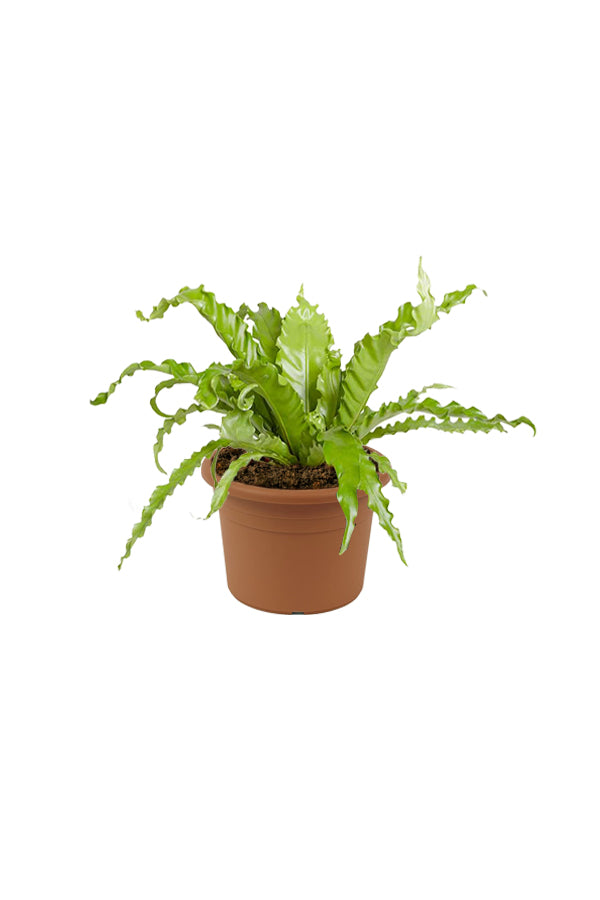
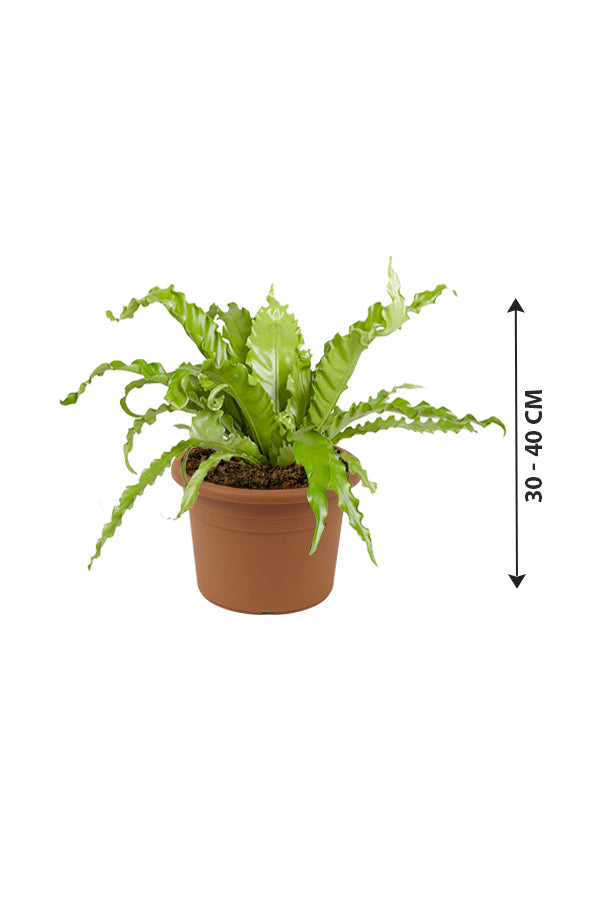
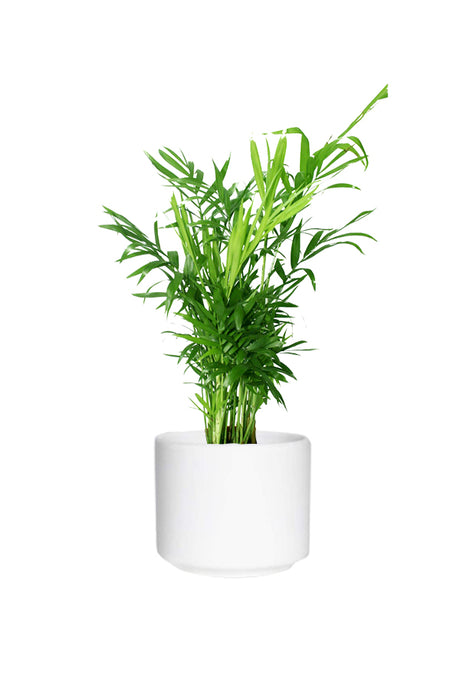
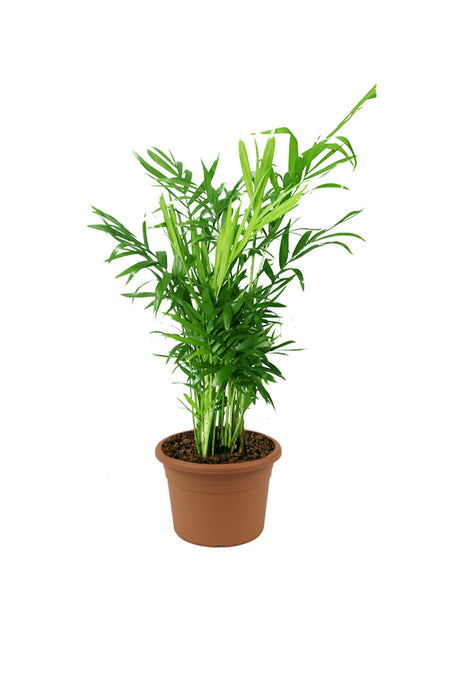
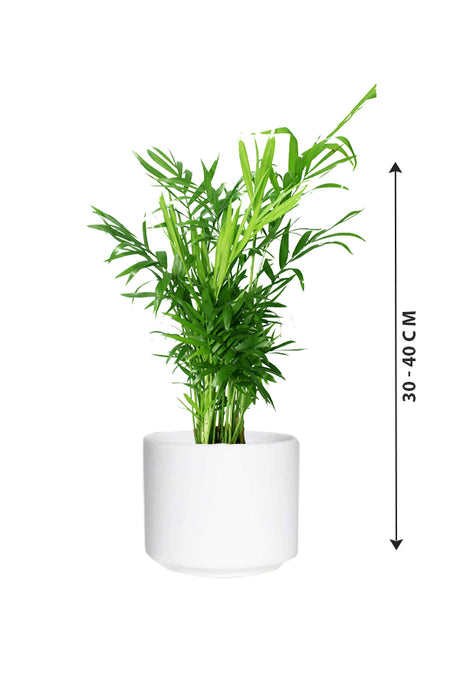
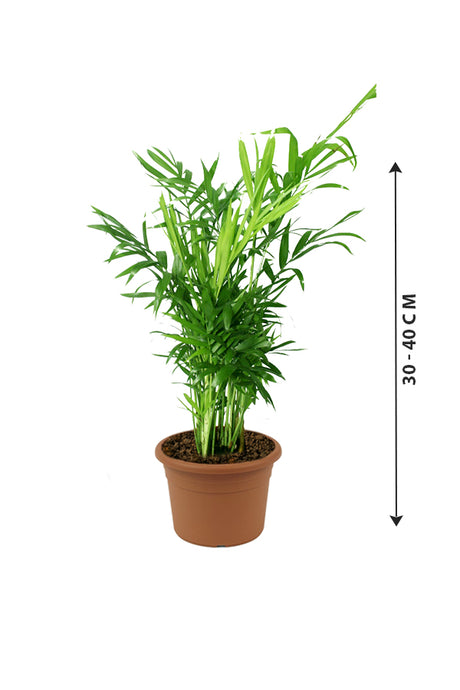
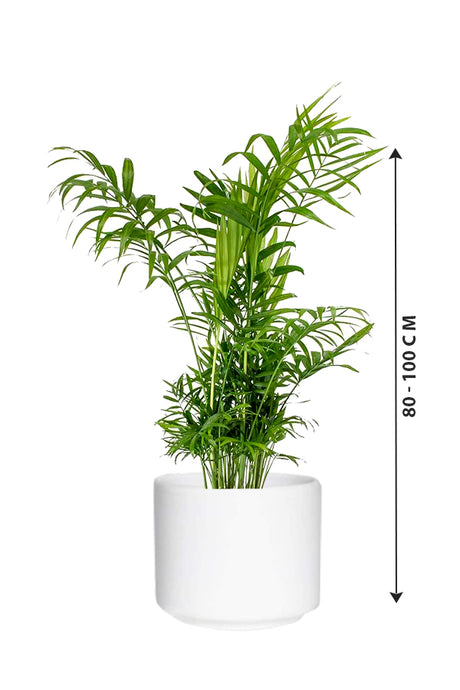
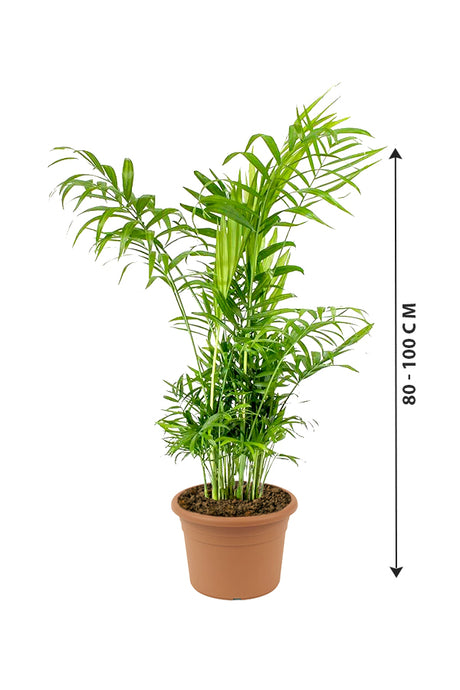
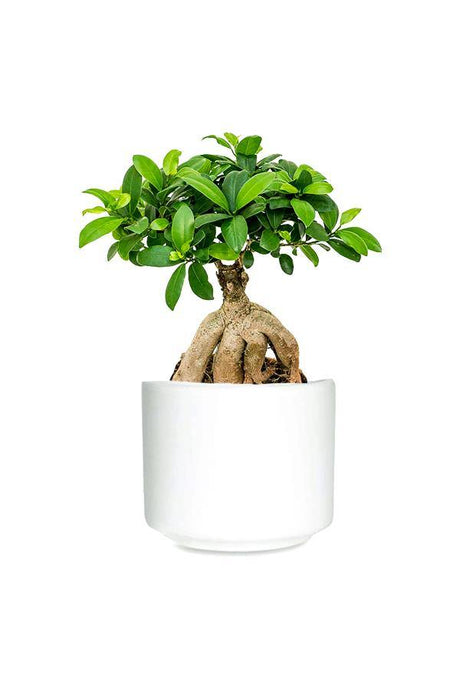
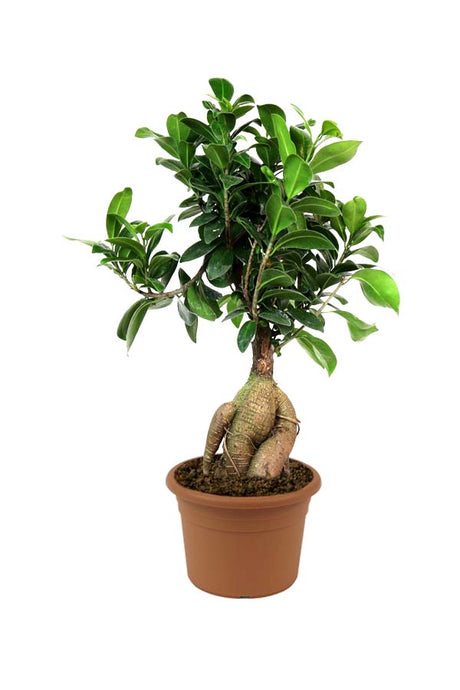
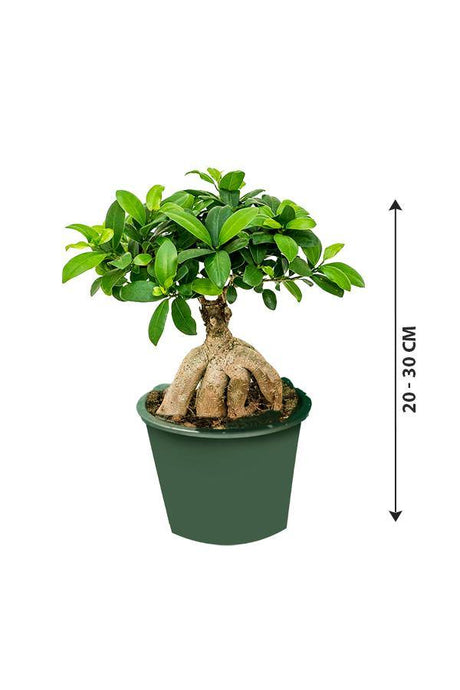
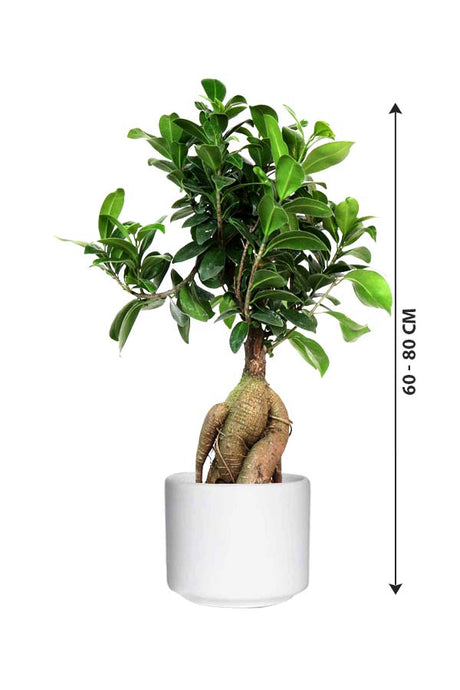
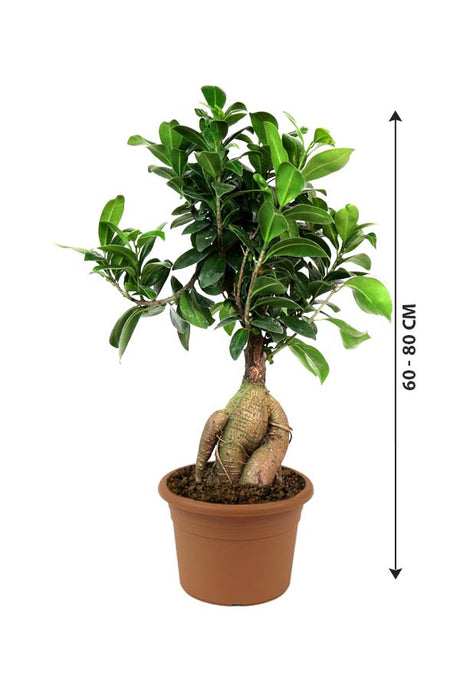
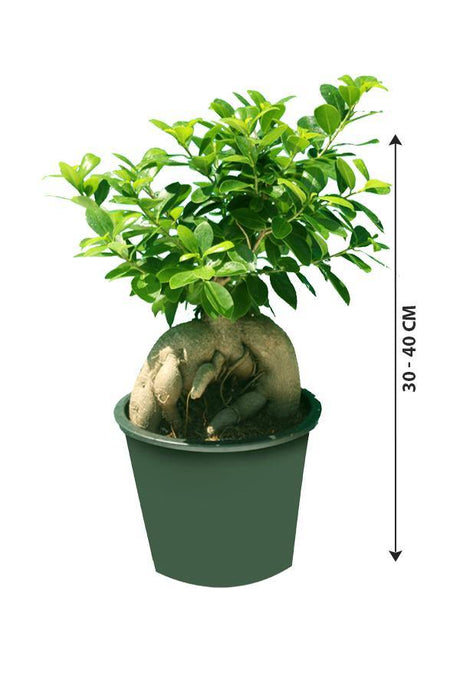
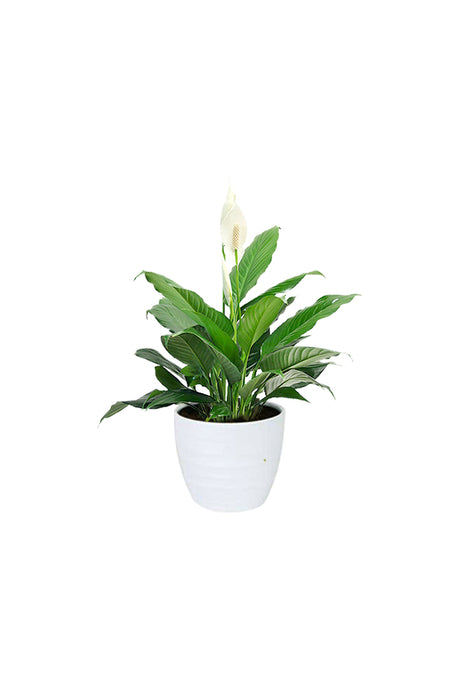
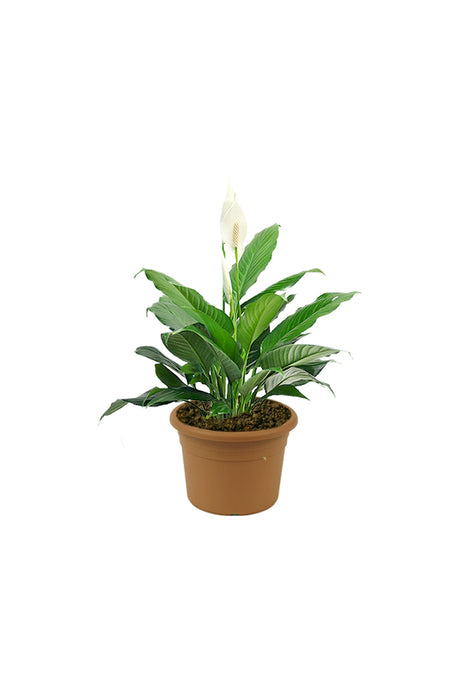
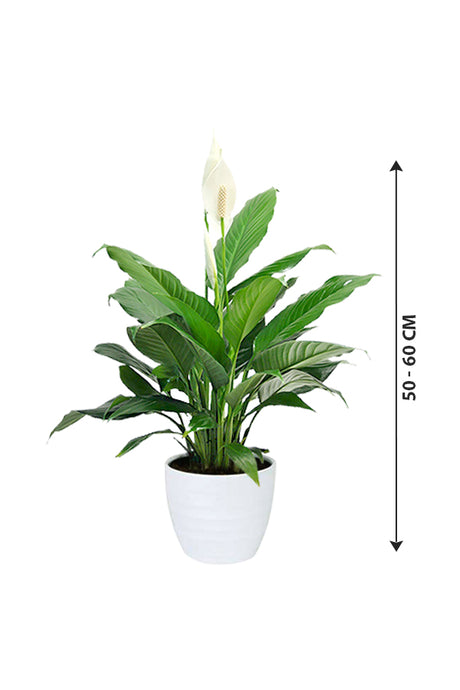
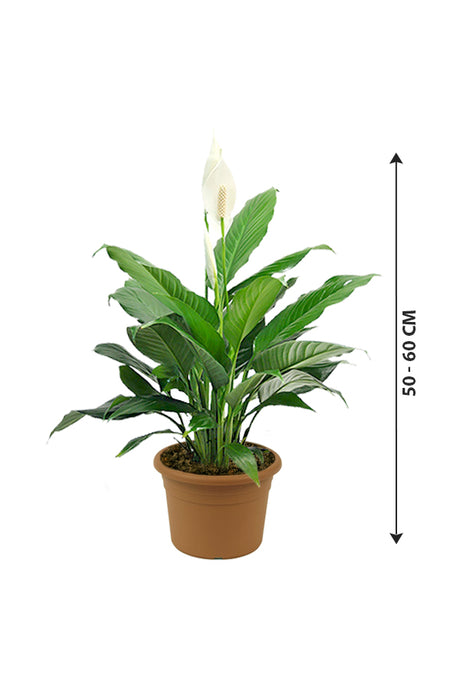
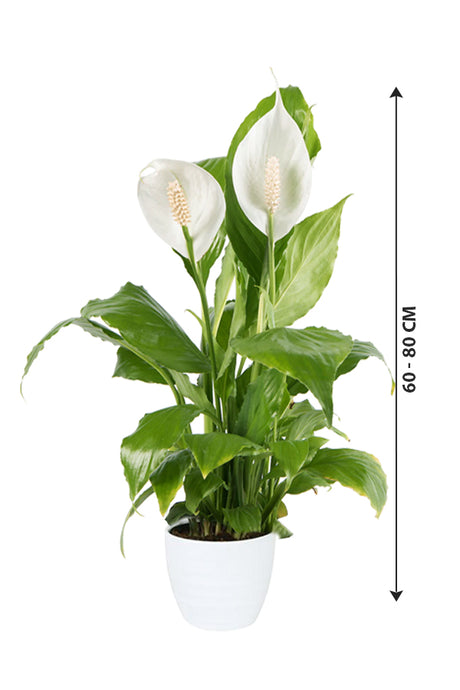
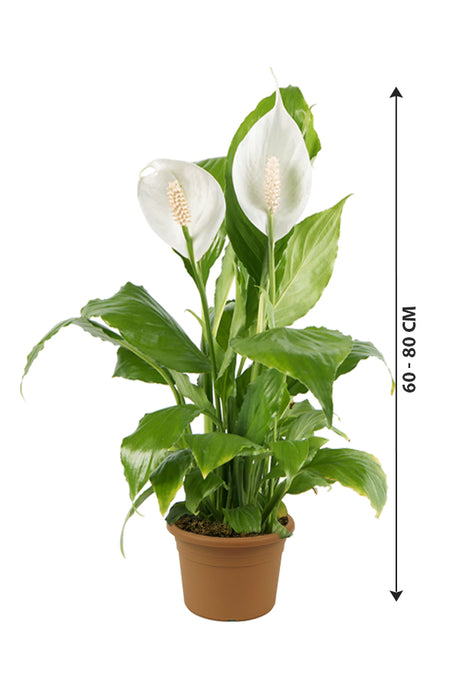
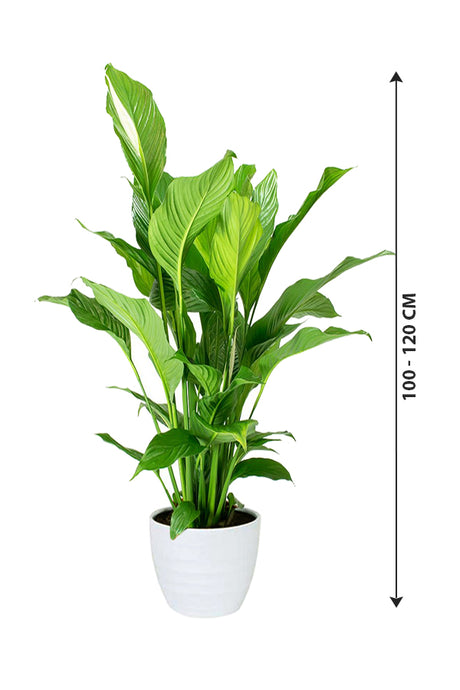
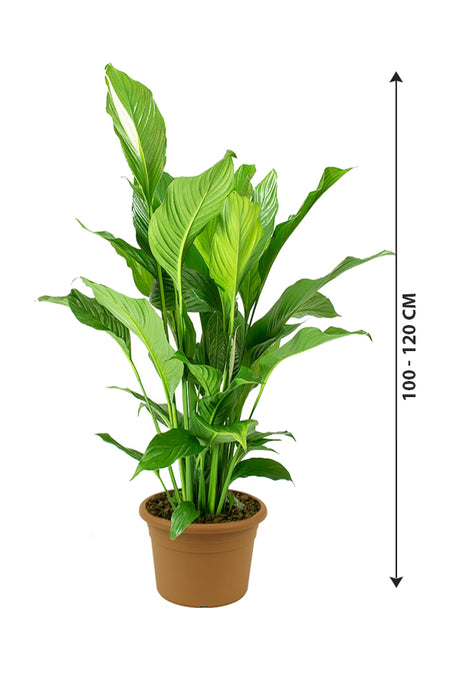
A: Yes. Arrives in an appropriate pot (included in the price). You can repot later if you prefer a different style or size.
📏 Q: How big will this plant grow?
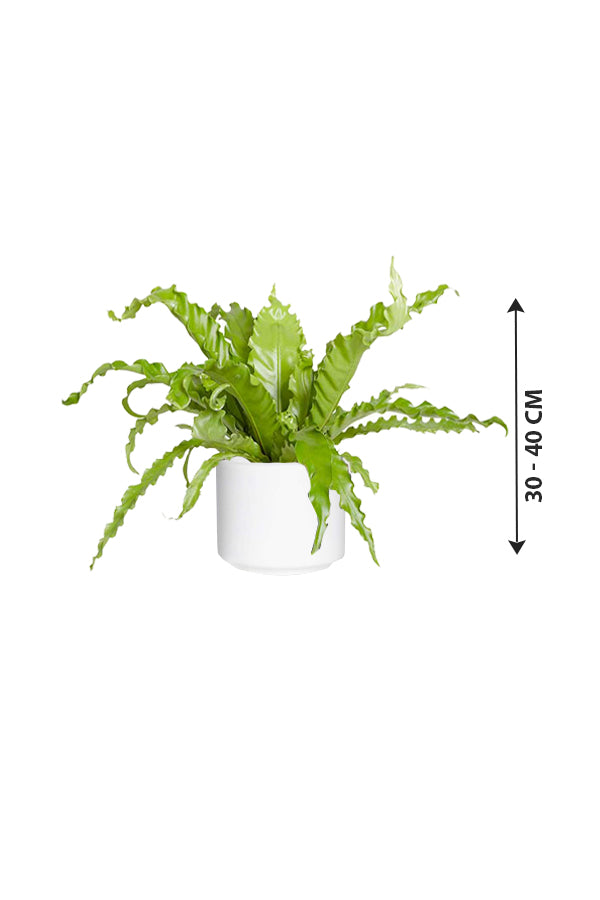
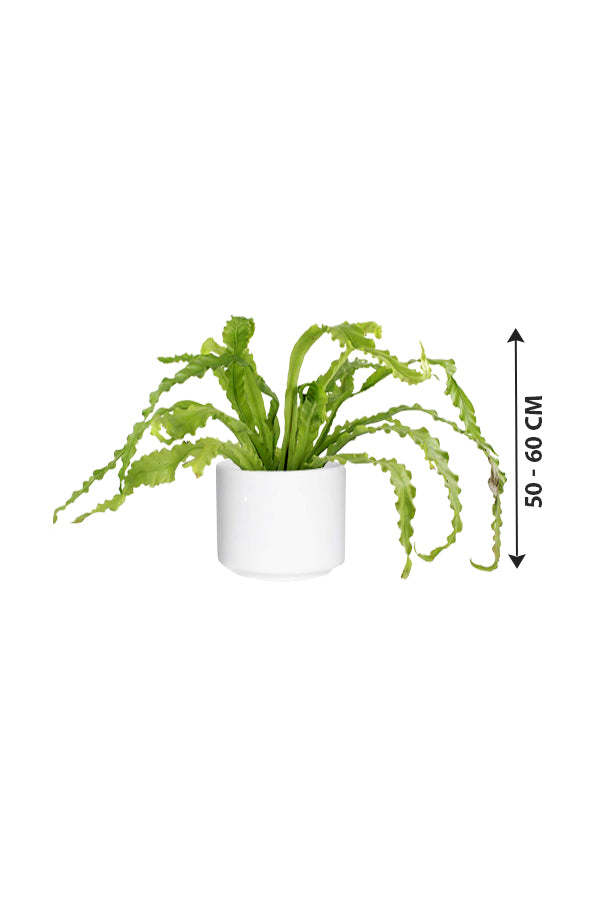
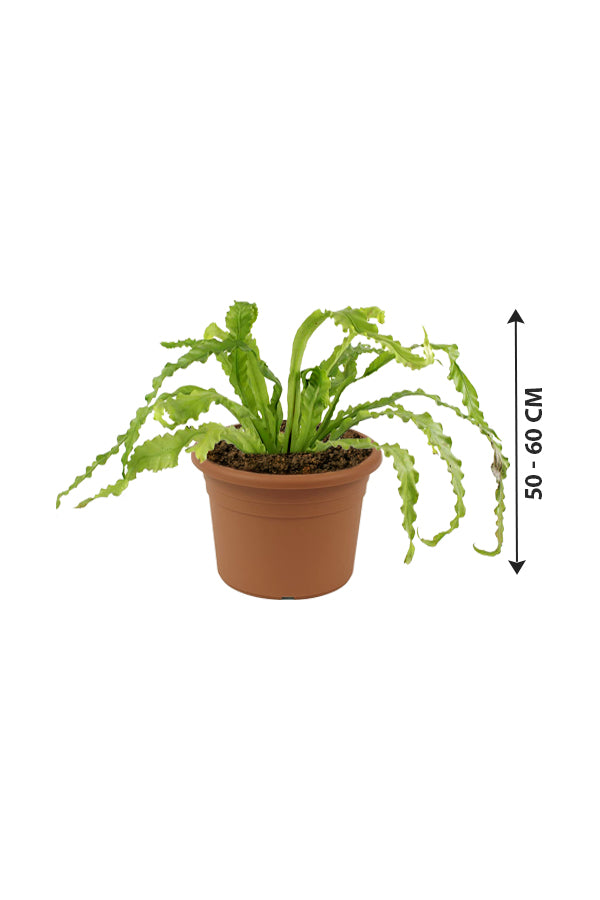
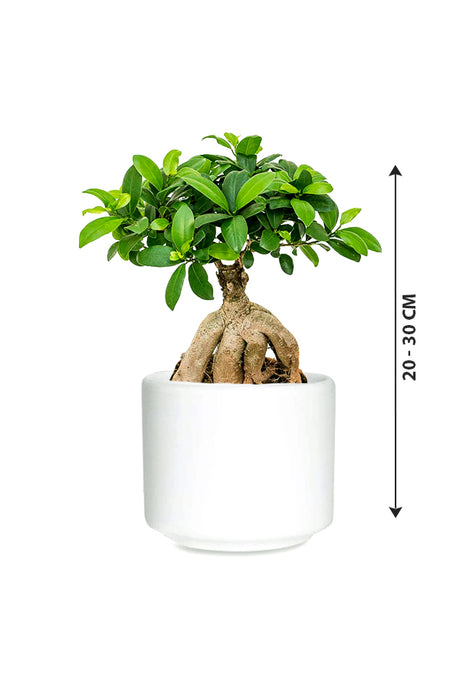
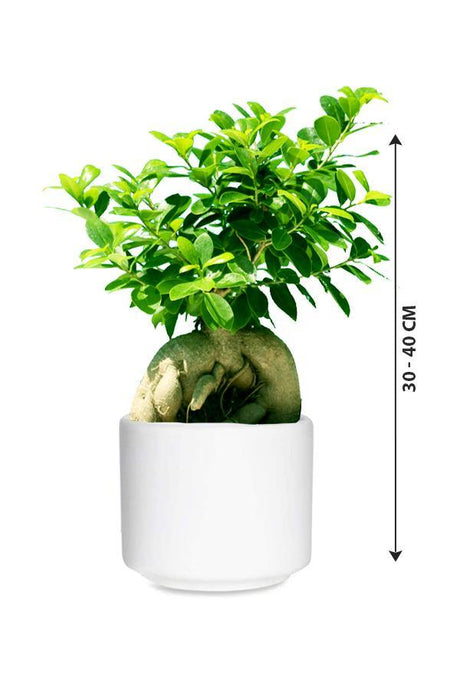
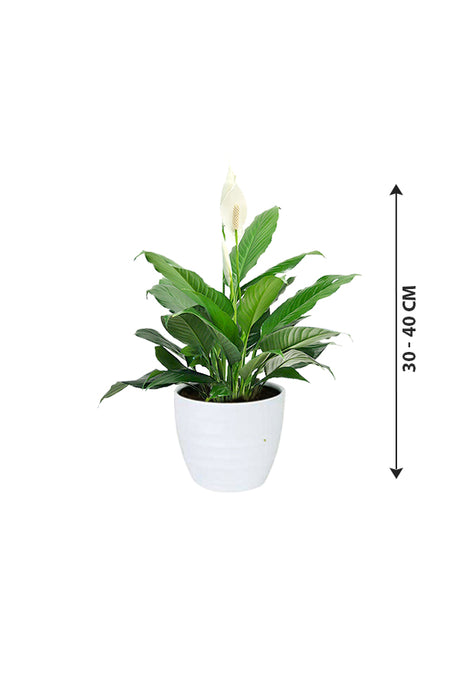
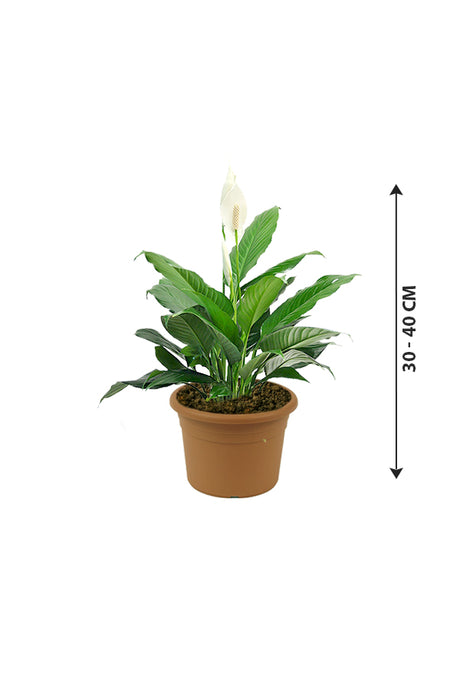
A: It's a compact plant. With proper care, it will grow gradually and remain manageable—ideal for desks, shelves, and apartment living.
🛠️ Q: What are common problems and how do I fix them?
A:
• Yellow leaves → Check drainage, reduce watering frequency
• Brown leaf tips → Increase humidity, use filtered water, mist occasionally
• Crispy leaf edges → Increase humidity and avoid direct sunlight
• Drooping leaves → Water if soil is dry; maintain consistent moisture
• Root rot → Water less frequently, ensure drainage, and repot in fresh soil if severe
Complete Care Guide
🌱 1. How easy is it to care for Bird's Nest Fern?
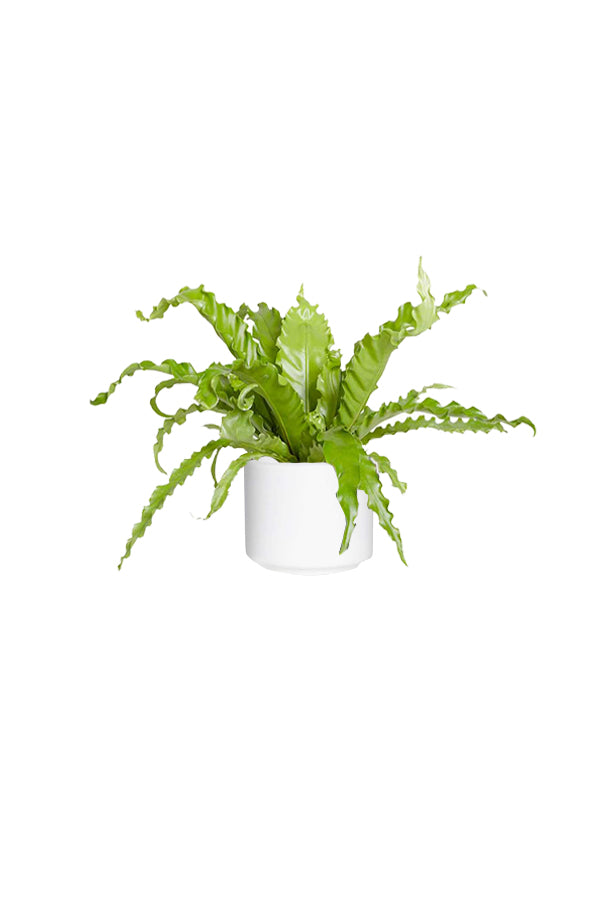
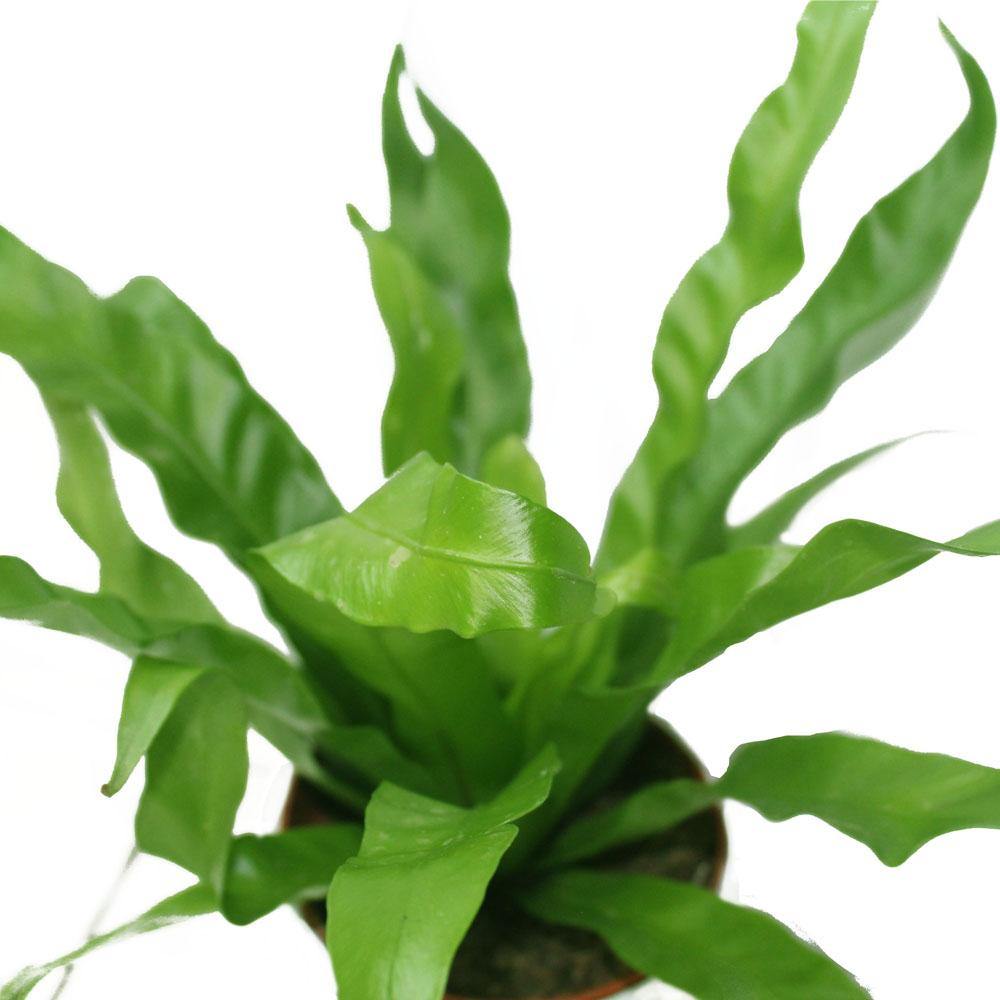
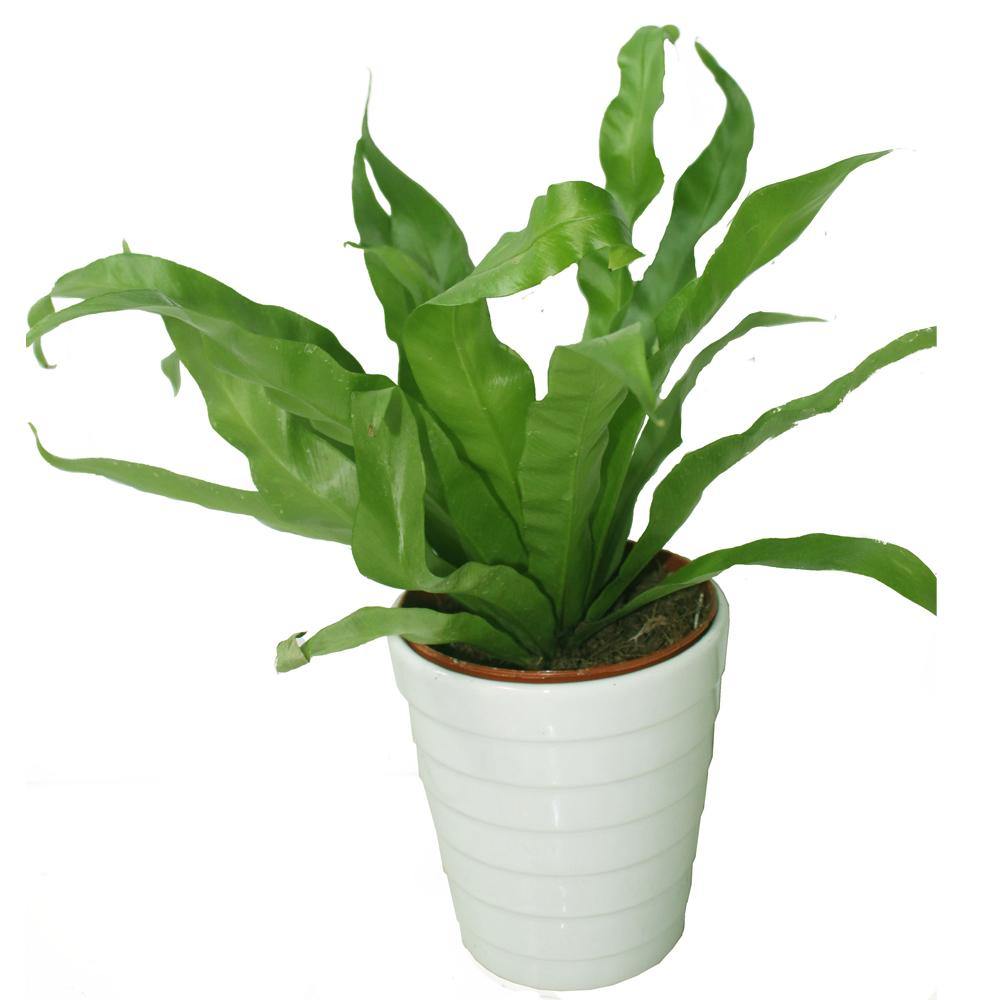
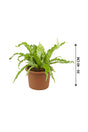
Bird's Nest Fern is an easy-to-care-for indoor plant that is well-suited for beginners. Its bright green, wavy fronds add a lush tropical feel to homes and offices.
☀️ 2. What light conditions does Bird's Nest Fern need?
Bird's Nest Fern thrives in bright, indirect light but can also tolerate medium-light conditions. Avoid direct sunlight, as it can scorch the delicate fronds and cause browning.
💧 3. How often should I water Bird's Nest Fern?
Keep the soil consistently moist but not soggy. Water when the top layer of soil begins to dry. During warmer UAE months, the plant may require more frequent watering, while less water is needed during cooler seasons.
🪴 4. What type of soil and pot are best for Bird's Nest Fern?
Use a rich, well-draining potting mix that retains moisture. A pot with drainage holes is essential to prevent waterlogging and root problems.
🌡️ 5. Is Bird's Nest Fern suitable for the UAE climate?
Yes, Bird's Nest Fern grows well indoors in the UAE. It prefers temperatures between 18°C and 28°C and should be kept away from direct sunlight, extreme heat, and strong air-conditioning drafts.
💦 6. Does Bird's Nest Fern need high humidity?
Yes, Bird's Nest Fern enjoys moderate to high humidity. Higher humidity helps maintain healthy, vibrant fronds and prevents the leaf edges from becoming brown or crispy.
🌱 7. How often should I fertilize Bird's Nest Fern?
Feed with a balanced liquid fertilizer once a month during spring and summer. Avoid over-fertilizing, as ferns can be sensitive to excess nutrients.
🔄 8. When should I repot Bird's Nest Fern?
Repot every 2–3 years or when the roots become crowded. Refreshing the soil during repotting helps support healthy growth and vigorous foliage.
⚠️ 9. What common problems can affect Bird's Nest Fern?
Brown leaf tips are often caused by low humidity, underwatering, or exposure to dry air. Yellowing fronds may indicate overwatering or poor drainage.
🌿 10. How can I propagate Bird's Nest Fern?
Bird's Nest Fern is typically propagated through spores rather than division. Spore propagation requires patience and is usually performed by experienced growers.
📅 11. How should I care for Bird's Nest Fern throughout the year?
Maintain consistent moisture and humidity throughout the year. Fertilize during spring and summer and reduce feeding during autumn and winter when growth naturally slows.
🛠️ 12. Why are my Bird's Nest Fern fronds turning brown or developing crispy edges?
Brown or crispy fronds are usually caused by low humidity, underwatering, direct sunlight, or exposure to dry air from air-conditioning. Increase humidity, maintain consistent watering, and place the plant in bright indirect light for best results. 🌿✨💚
Structured metadata
🌿 Name: Birds Nest Fern – Asplenium Antiquum
🔬 Scientific Name: Asplenium nidus
🪴 Care Level: Easy to Care
💡 Light: Indirect Light
💧 Water: Weekly
🌡️ Temperature: 18–24°C Ideal
💦 Humidity: Moderate
🐾 Pet Safe: No
🏡 Best For: Desk
🌱 Indoor/Outdoor: Indoor
🇦🇪 UAE Suitable: Yes
💰 Price: AED 79.00 - 99.00
⚠️ Common Problems: Yellow Leaves 🍂