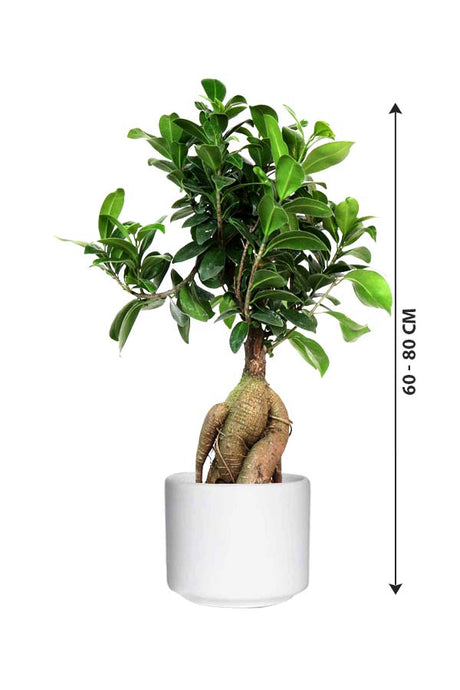
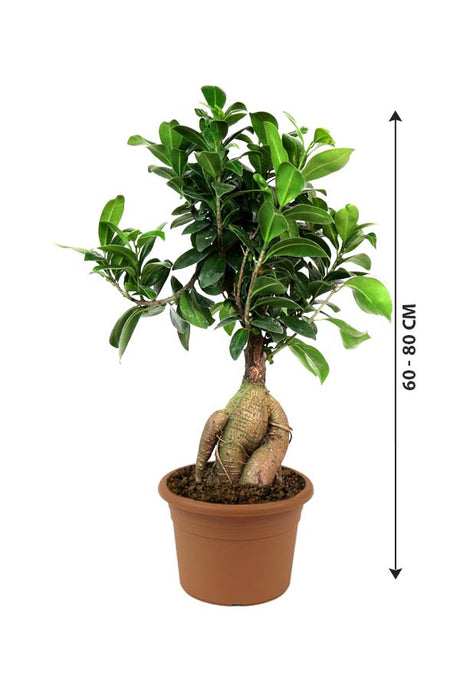
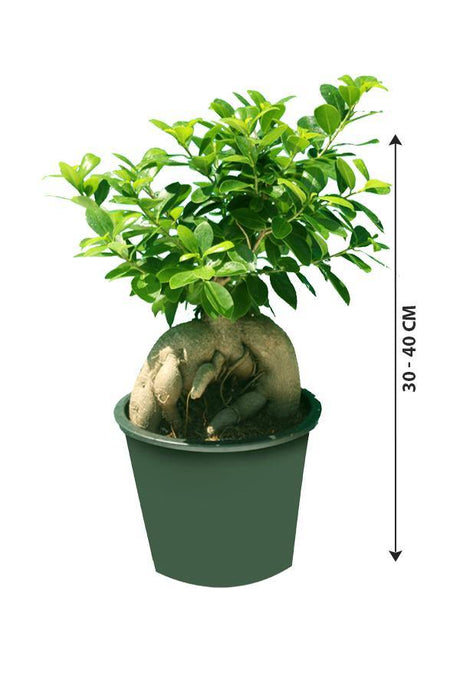
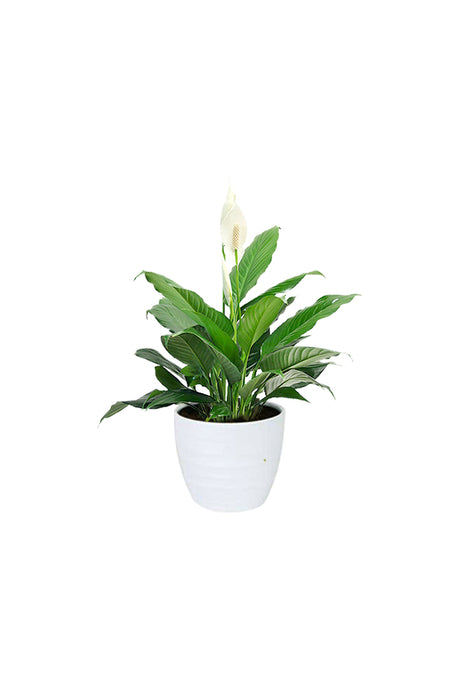
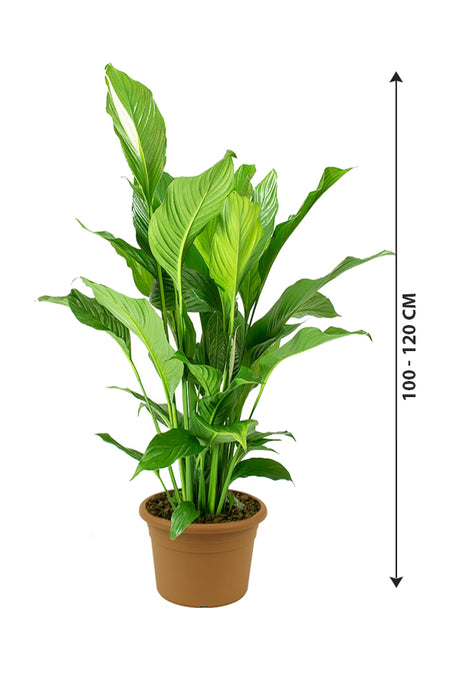
🌱 Q: Is Punica good for beginners?
A: Yes. It's one of the easiest plants and thrives with minimal attention.
💧 Q: How often should I water this plant?
A: Water when the top layer of soil feels dry to the touch—usually once a week. The plant will show signs if it's thirsty. Let it guide you.
☀️ Q: Can this plant survive in full light?
A: Yes. It thrives in bright light. Place near a window with plenty of natural light. It can handle some direct morning sun.
🐶 Q: Is this plant safe for pets and children?
A: Yes. It's safe for pets and children. A great choice for families with curious pets.
🏡 Q: How does this plant do in UAE homes and offices?
A: It thrives indoors in the UAE. The stable, air-conditioned environment is ideal. Keep it indoors year-round. Well-suited for apartments, villas, and offices across Dubai, Abu Dhabi, and other emirates.
🍂 Q: What should I do if leaves turn yellow?
A: Usually it means overwatering or poor drainage. Check: (1) the pot has drainage holes, (2) you're not watering too frequently, and (3) the soil is well-draining. Fertilize monthly and remove yellow leaves as new growth replaces them.
🌬️ Q: Does this plant improve indoor air quality?
A: Research shows it helps filter indoor air and improves air quality. It's commonly used in bedrooms and offices because it adds visual appeal while supporting a healthier environment.
🪴 Q: Does it come with a pot?
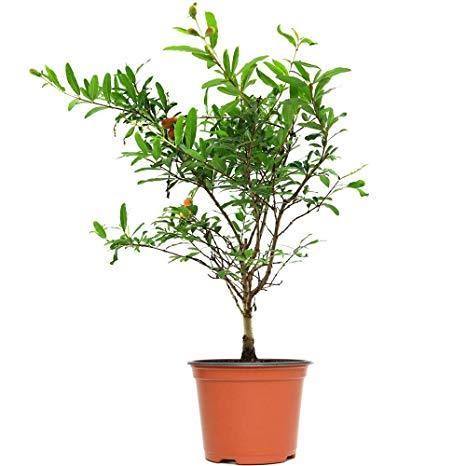
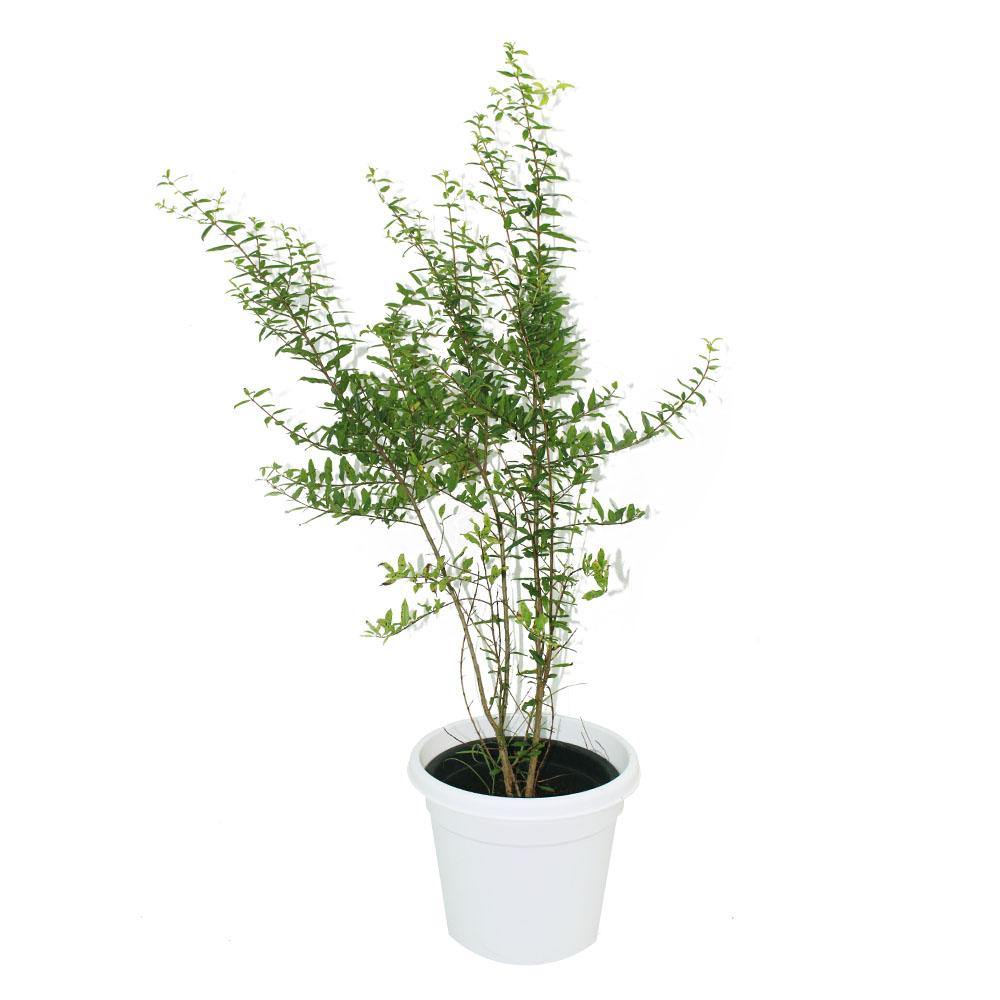
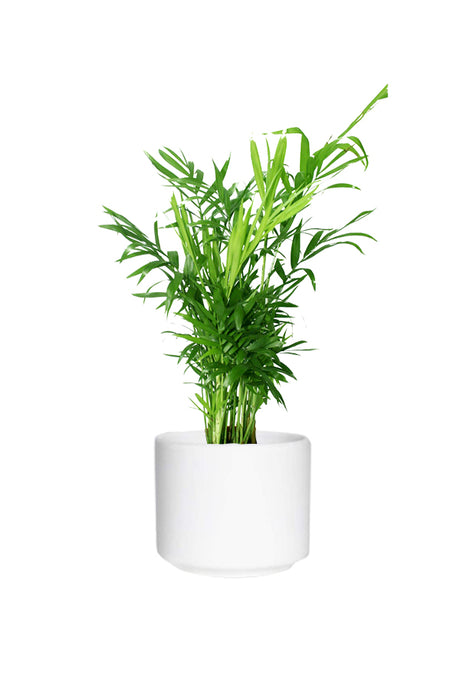
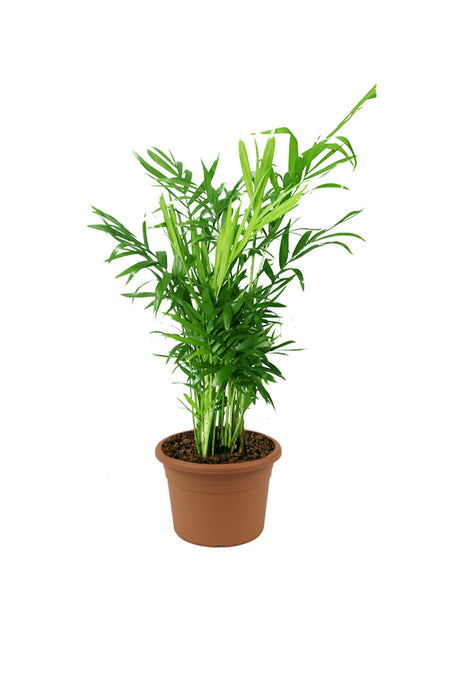
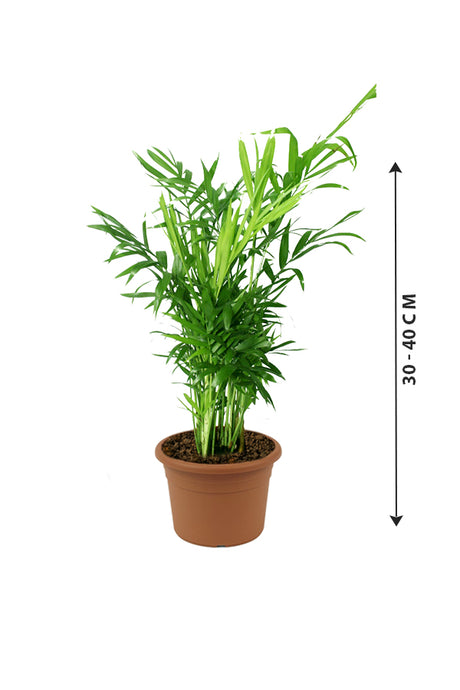
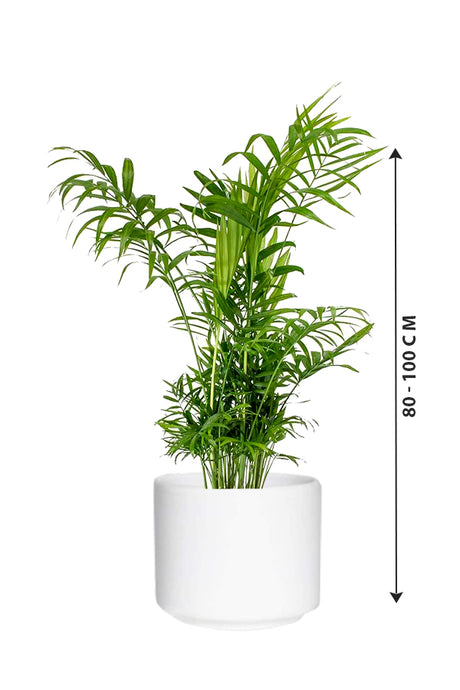
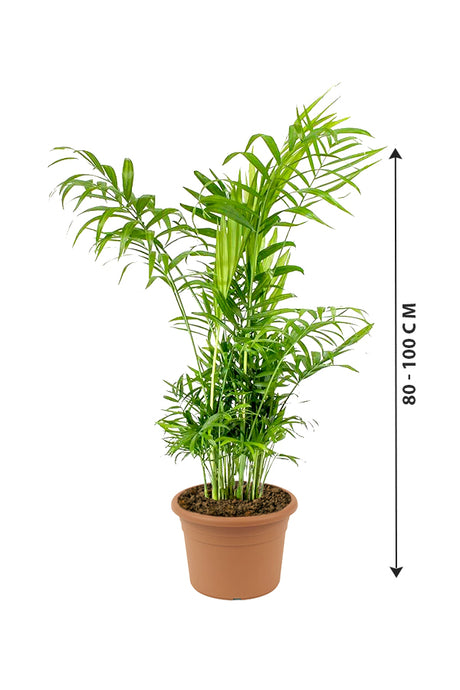
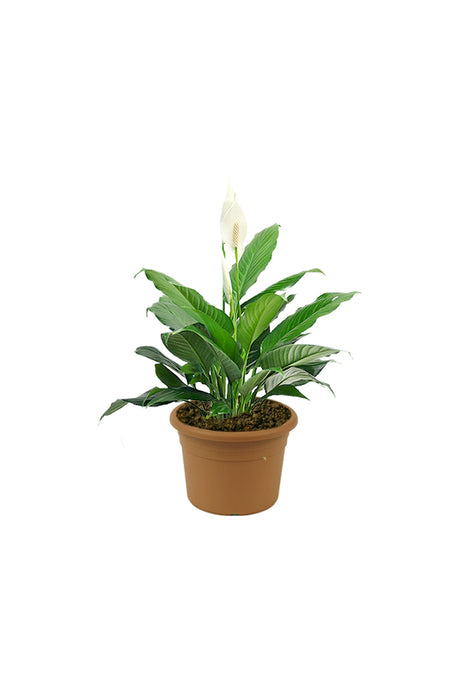
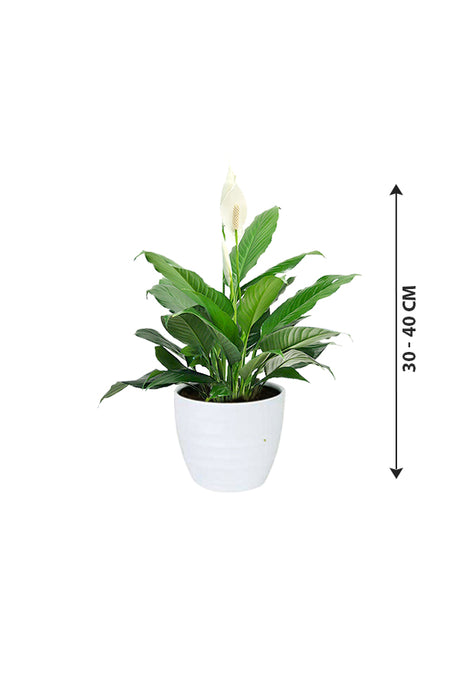
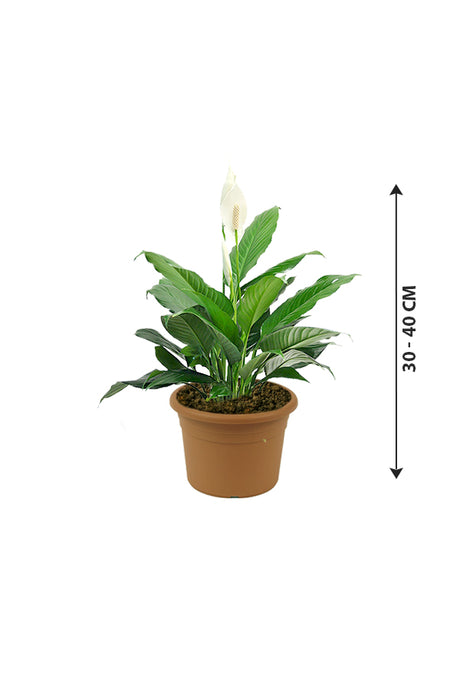
A: Yes. It arrives in an appropriate pot (included in the price). You can repot later if you prefer a different style or size.
📏 Q: How big will this plant grow?
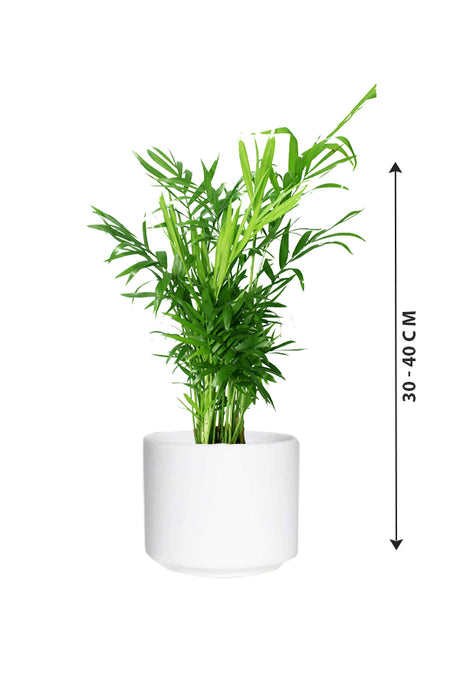
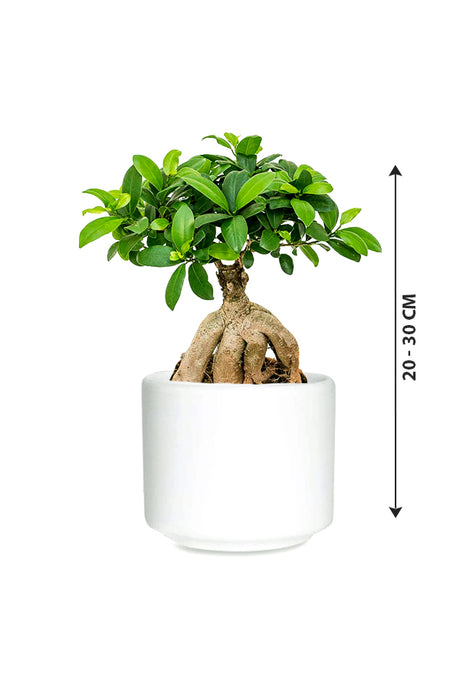
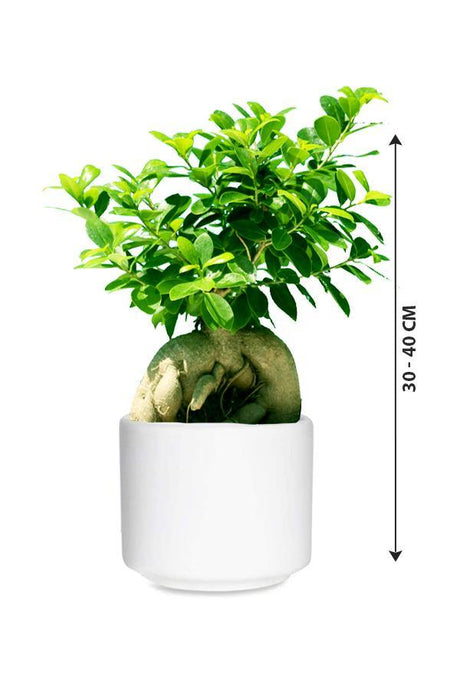
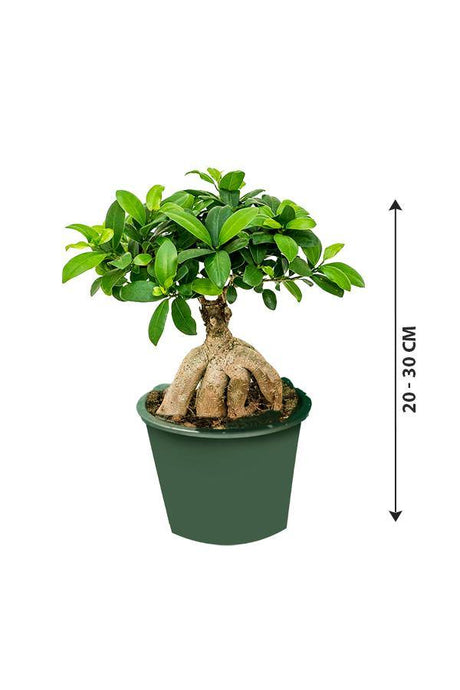
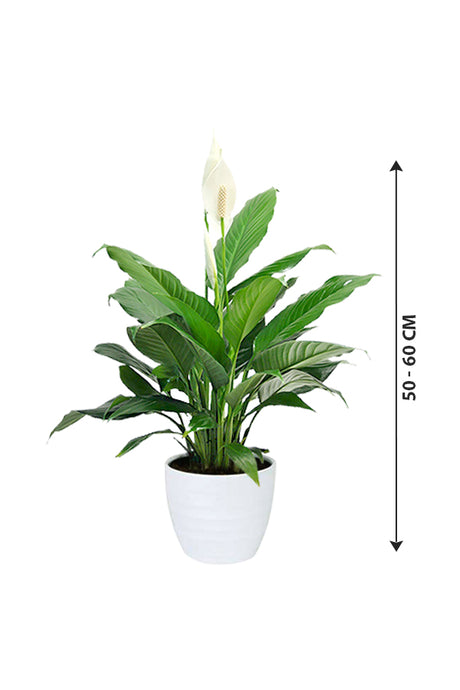
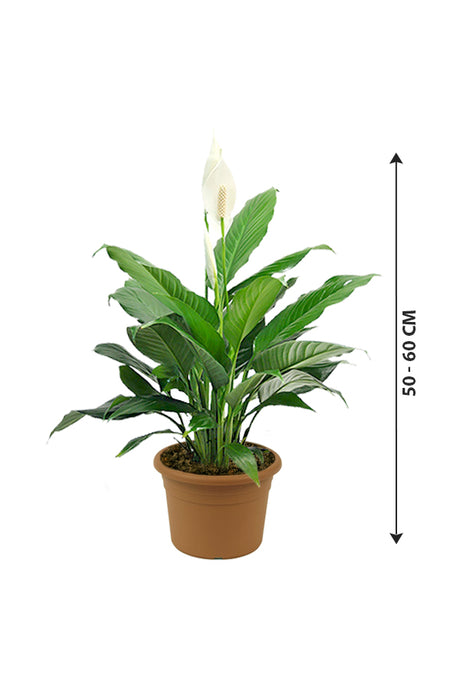
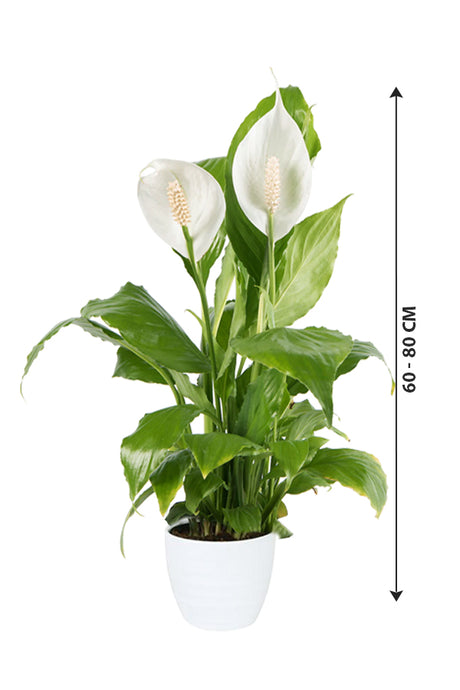
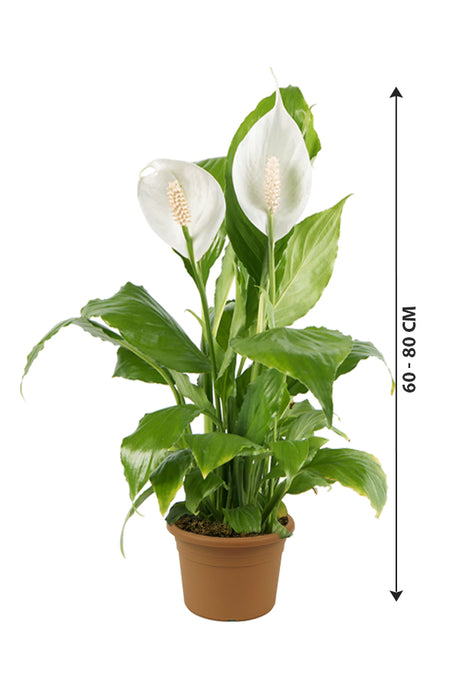
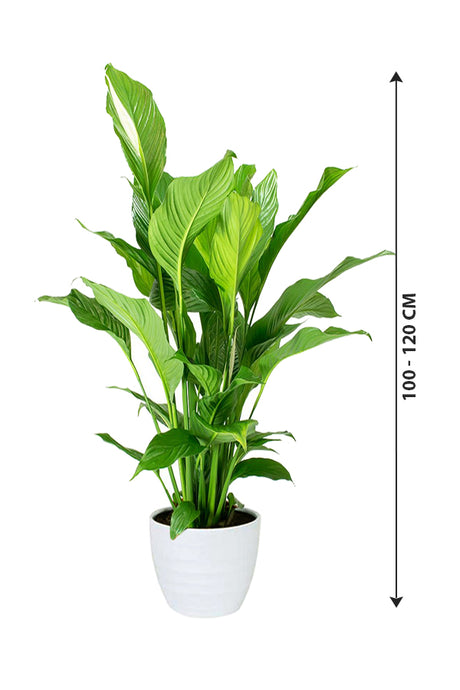
A: It's a compact plant. With proper care, it will grow gradually and remain manageable—ideal for desks, shelves, and apartment living.
🩺 Q: What are common problems and how do I fix them?
A:
• 🍃 Yellow leaves → Check drainage and reduce watering frequency.
• 🤎 Brown leaf tips → Increase humidity, use filtered water, and mist occasionally.
• 🌿 Drooping leaves → Water immediately; the plant usually recovers quickly.
• 🌼 No flowering → Increase light slightly, ensure humidity, and the plant may need more maturity.
• 🪵 Root rot → Water less frequently, ensure proper drainage, and repot in fresh soil if severe.
Complete Care Guide
🌱 Q: What is the care level of Pomegranate (Punica granatum)?
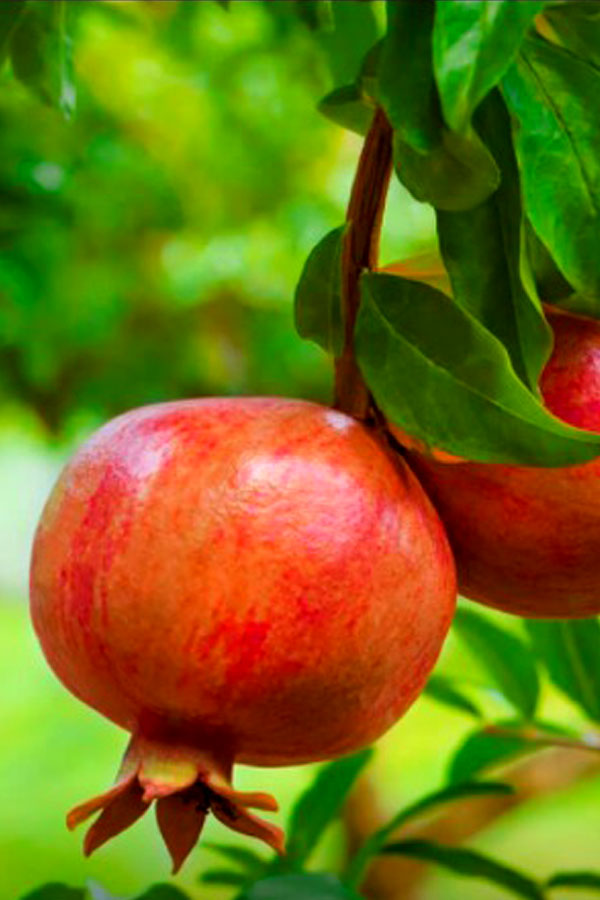
A: Pomegranate is easy to care for and is a great choice for both beginners and experienced gardeners. With proper sunlight and regular watering, it grows vigorously and can produce delicious fruits.
☀️ Q: How much light does Pomegranate need?
A: Pomegranate thrives in full sunlight and requires 6–8 hours of direct sunlight each day for healthy growth, flowering, and fruit production.
💧 Q: How often should I water Pomegranate?
A: Water regularly, especially during hot weather. Allow the top layer of soil to dry slightly between waterings. In the UAE summer, daily watering may be needed for potted plants.
🪴 Q: What type of soil and pot are best for Pomegranate?
A: Use well-draining, fertile soil enriched with organic compost. Choose a pot with good drainage holes and enough space for the roots to develop.
🌡️ Q: Can Pomegranate grow well in the UAE climate?
A: Yes. Pomegranate is well-suited to the UAE climate. It tolerates heat very well and grows successfully with adequate watering and full sunlight.
💦 Q: Does Pomegranate need high humidity or special leaf care?
A: Pomegranate prefers moderate humidity. Occasionally clean the leaves to remove dust and inspect them for pests to keep the plant healthy.
🌿 Q: How often should I fertilize Pomegranate?
A: Feed the plant with a balanced fertilizer every 4–6 weeks during the growing season. Adding organic compost also supports healthy flowering and fruiting.
🪴 Q: When should I repot Pomegranate?
A: Repot every 2–3 years or when the roots become crowded. Use fresh, nutrient-rich soil and move the plant to a slightly larger container.
🍂 Q: What are the common problems with Pomegranate and how can I fix them?
A:
• 🍃 Yellow leaves → Usually caused by overwatering or nutrient deficiency.
• 🤎 Brown leaf tips → May result from underwatering or heat stress.
• 🌿 Drooping leaves → Water the plant and check soil moisture.
• 🌼 No flowering or fruiting → Increase sunlight exposure and fertilize regularly.
• 🪵 Root rot → Improve drainage and reduce watering immediately.
🌱 Q: How can I propagate Pomegranate?
A: Pomegranate can be propagated from seeds, hardwood cuttings, or air layering. Stem cuttings are the most common and reliable method for producing healthy plants.
📅 Q: How should I care for Pomegranate throughout the year?
A:
🌸 Spring: Fertilize and encourage new growth.
☀️ Summer: Water regularly and provide consistent moisture during extreme heat.
🍂 Autumn: Harvest fruits and prune lightly after fruiting.
❄️ Winter: Reduce watering slightly while ensuring the plant receives plenty of sunlight.
🩺 Q: How do I troubleshoot common Pomegranate problems?
A: If your Pomegranate isn't growing well:
- ☀️ Ensure it receives at least 6–8 hours of direct sunlight daily.
- 💧 Water consistently without allowing the soil to become waterlogged.
- 🌿 Fertilize regularly during the growing season.
- ✂️ Remove dead or damaged branches to encourage healthy growth.
- 🪴 Repot when the plant becomes root-bound or growth slows.
Structured metadata
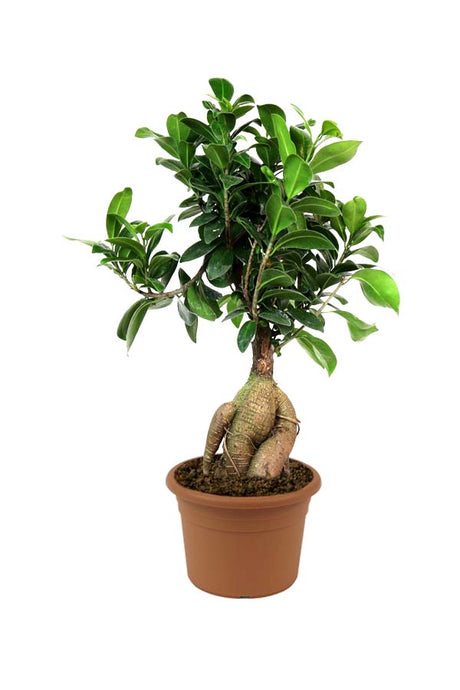
🍎 Name: Pomegranate - Punica Granatum
🔬 Scientific Name: Punica granatum
🌱 Care Level: Easy to Care
☀️ Light: Full Light
💧 Water: Weekly
🌡️ Temperature: 18–24°C (Ideal)
💦 Humidity: Moderate
🐶 Pet Safe: Yes
🏡 Best For: Balcony
🪴 Indoor/Outdoor: Indoor (Primarily)
🇦🇪 UAE Suitable: Yes
💰 Price: AED 99.00 - 69.00
🍂 Common Problems: Yellow leaves, brown tips, root rot, drooping, no flowering.