🌱 Q: Is Lavandula good for beginners?
It's moderately easy. It requires regular care but is rewarding for attentive growers.
💧 Q: How often should I water this plant?
Water when the top layer of soil feels dry to the touch—usually once a week. The plant will show signs if it's thirsty, so let it guide you.
🌤️ Q: Can this plant survive in low light?
Yes. It's one of the best plants for low-light spaces. It grows well under office lights or in indirect natural light.
🐶 Q: Is this plant safe for pets and children?
Yes. It's safe for pets and children, making it a great choice for families with curious pets.
🏡 Q: How does this plant do in UAE homes and offices?
It thrives indoors in the UAE. The stable, air-conditioned environment is ideal. Keep it indoors year-round. It is well-suited for apartments, villas, and offices across Dubai, Abu Dhabi, and other emirates.
🍂 Q: What should I do if leaves turn yellow?
Usually, yellow leaves indicate overwatering or poor drainage. Check that:
- ✅ The pot has drainage holes.
- ✅ You're not watering too frequently.
- ✅ The soil is well-draining.
Fertilize monthly and remove yellow leaves as new growth replaces them.
🌬️ Q: Does this plant improve indoor air quality?
Research shows it helps filter indoor air and improves air quality. It's commonly used in bedrooms and offices because it adds beauty while supporting a healthier indoor environment.
🪴 Q: Does it come with a pot?
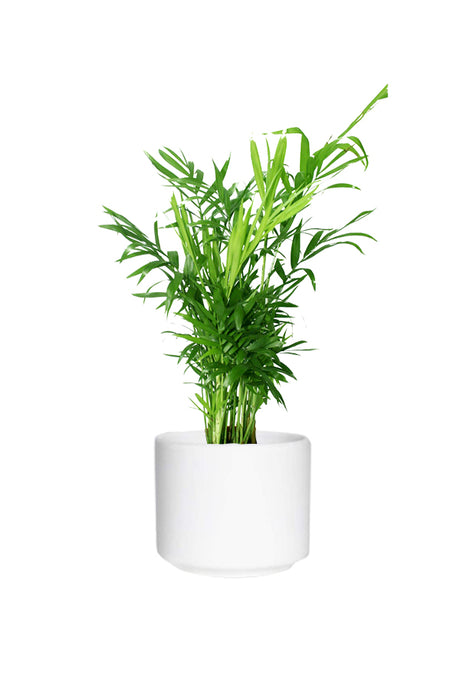
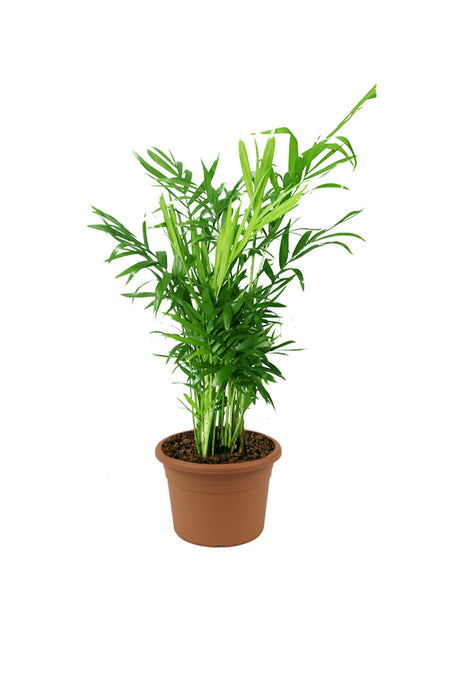
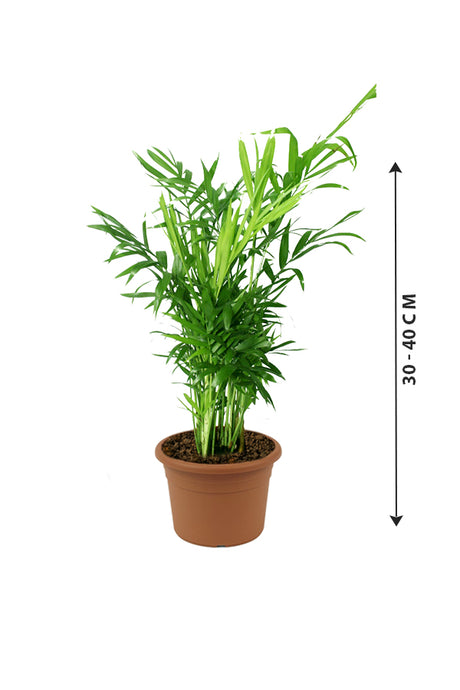
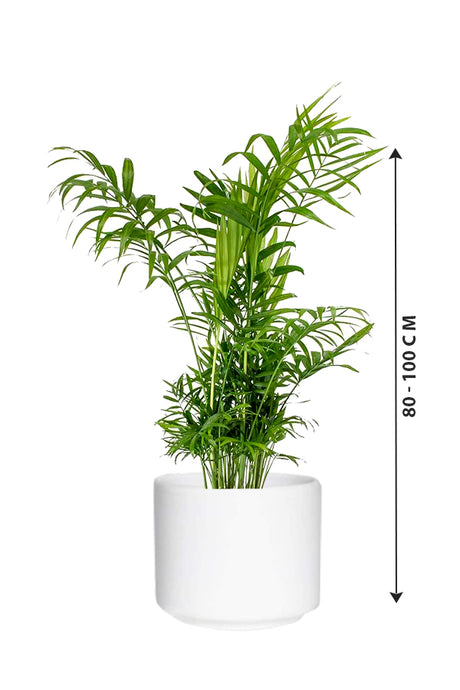
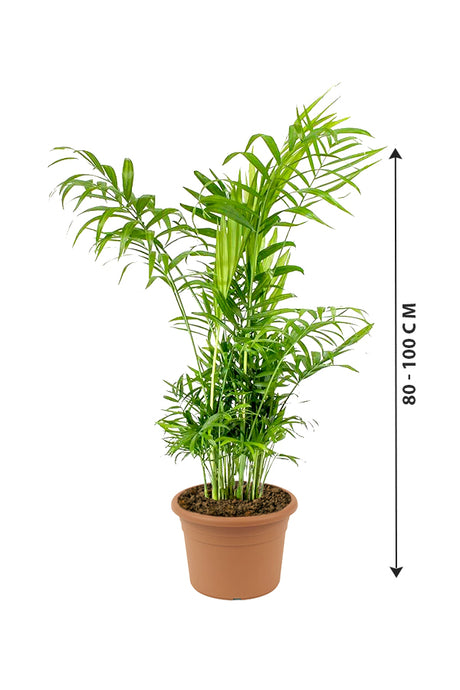
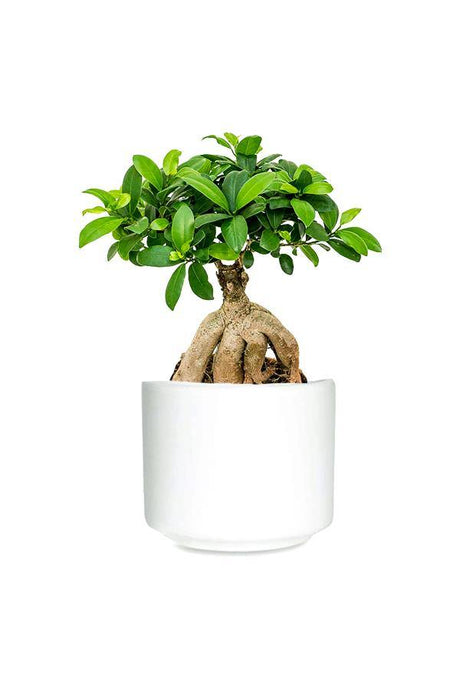
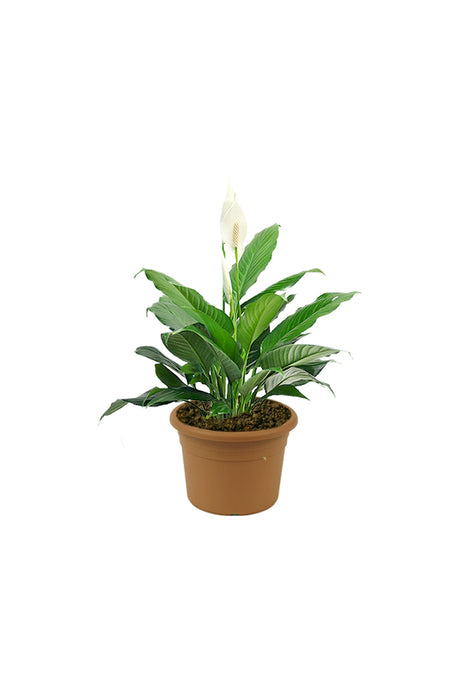
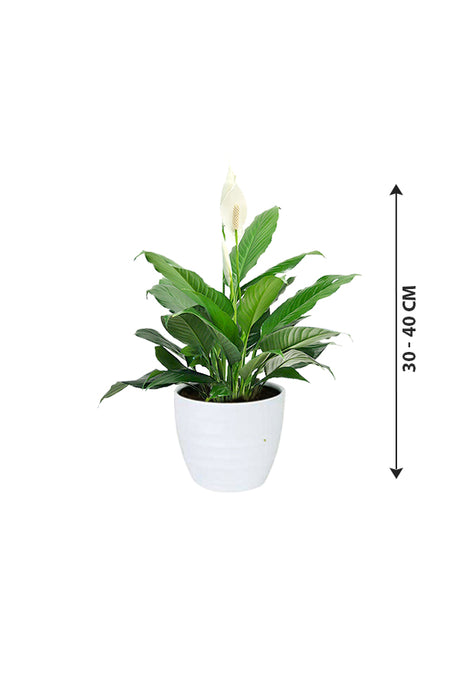
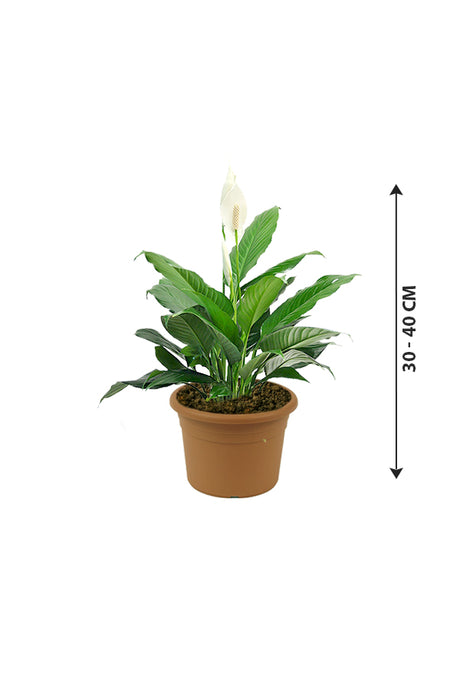
Yes. It arrives in an appropriate pot (included in the price). You can repot it later if you prefer a different style or size.
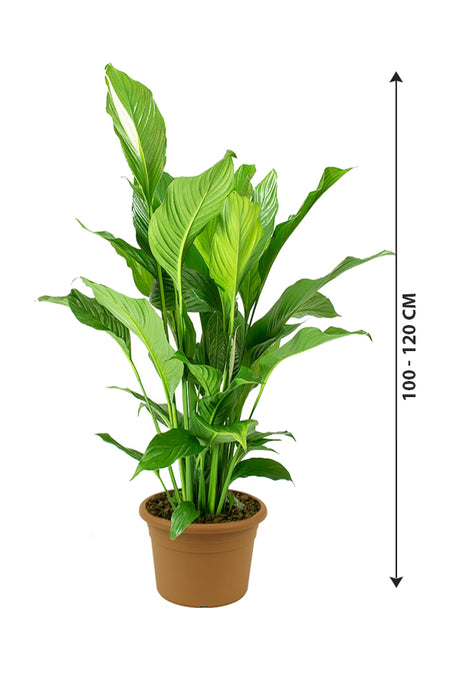
📏 Q: How big will this plant grow?
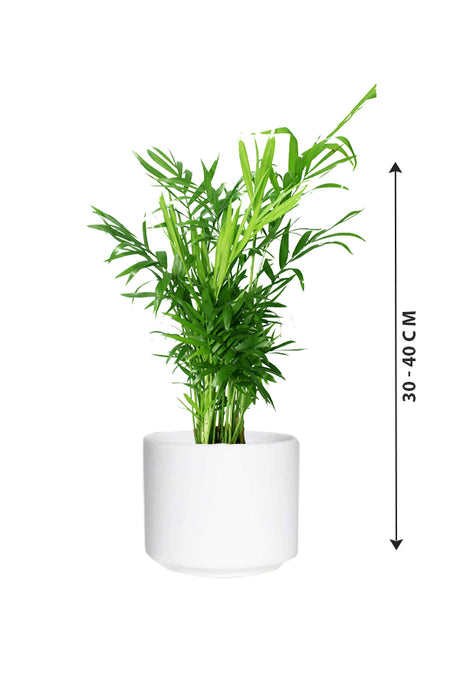
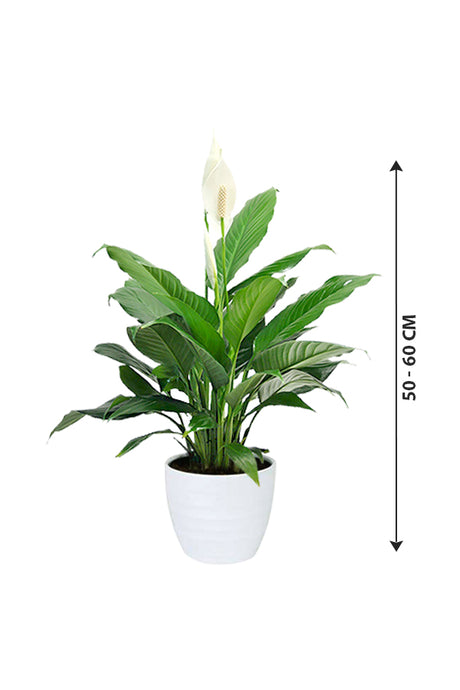
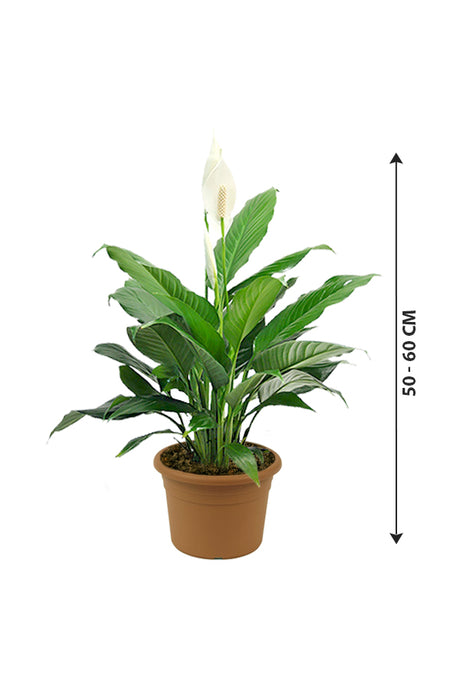
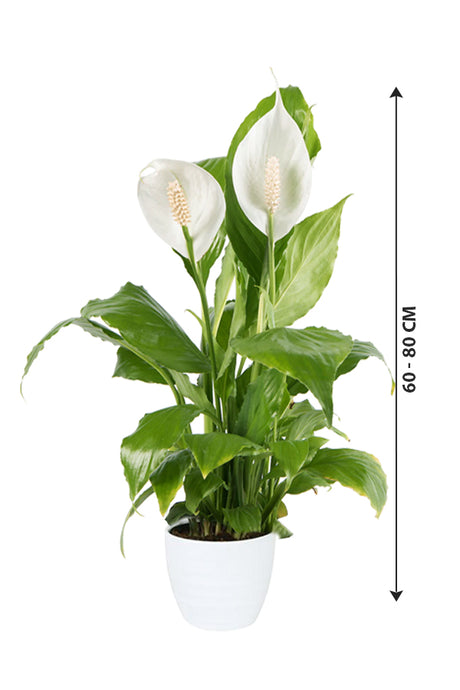
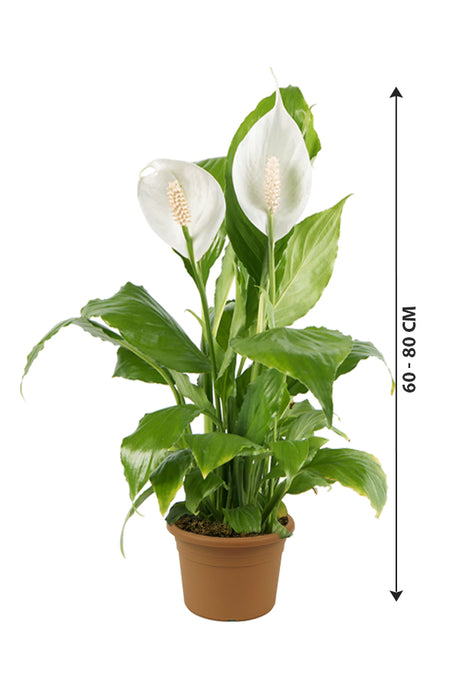
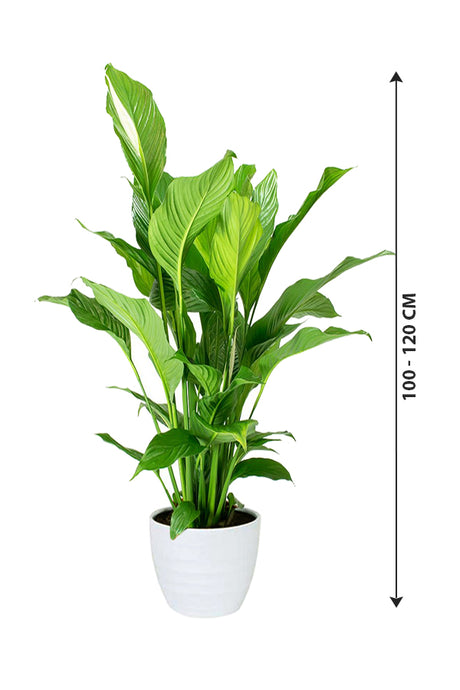
It's a compact plant. With proper care, it will grow gradually and remain manageable, making it ideal for desks, shelves, and apartment living.
🛠️ Q: What are common problems and how do I fix them?
- 🍂 Yellow leaves → Check drainage and reduce watering frequency.
- 🤎 Brown leaf tips → Increase humidity, use filtered water, and mist occasionally.
- 🌿 Drooping leaves → Water immediately; the plant usually recovers quickly.
- 🌸 No flowering → Increase light slightly, ensure adequate humidity, and allow the plant more time to mature.
- 🪴 Root rot → Water less frequently, ensure proper drainage, and repot in fresh soil if the problem is severe.
Complete Care Guide
🌱 Q: What is the overall care level of an English Lavender plant?
English Lavender is a moderately easy plant to care for and is well-loved for its fragrant flowers, calming appearance, and low-maintenance nature once established.
☀️ Q: How much light does English Lavender need and where should I place it?
English Lavender needs plenty of bright sunlight and grows best with 6–8 hours of direct sun daily. Place it outdoors on balconies, patios, gardens, or near sunny windows.
💧 Q: How often should I water an English Lavender plant throughout the year?
Water only when the soil feels dry.
- ☀️ Summer: Water 1–2 times per week
- ❄️ Winter: Reduce watering significantly
Avoid overwatering, as excess moisture can cause root rot.
🪴 Q: What type of soil and pot are best for English Lavender plants?
Use sandy, well-draining soil that does not retain excess moisture. Terracotta pots with drainage holes are ideal for preventing root rot.
🌡️ Q: Can English Lavender survive UAE climate conditions?
Yes, but English Lavender needs protection from the extreme afternoon heat during peak UAE summer. Place it in a sunny, well-ventilated area and avoid excessive humidity.
💦 Q: Does English Lavender need humidity or special leaf care?
English Lavender prefers low humidity and dry conditions. Avoid misting the plant and ensure good airflow around the foliage to help prevent fungal issues.
🌿 Q: How often should I fertilize an English Lavender plant?
Lavender requires very little feeding. Fertilize once during spring using a balanced or low-nitrogen fertilizer to encourage healthy flowering.
🔄 Q: When should I repot an English Lavender plant?
Repot every 2–3 years, or when the plant becomes root-bound. Use fresh, well-draining soil and avoid oversized pots.
🛠️ Q: What are common English Lavender problems and how can I fix them?
- 🍂 Yellow leaves → Usually caused by overwatering.
- 🌿 Weak growth → Often due to insufficient sunlight.
- 🪴 Root rot → Caused by poor drainage or excess moisture.
🌱 Q: How can I propagate an English Lavender plant?
English Lavender can be propagated through stem cuttings taken during spring or early summer and planted in well-draining soil.
📅 Q: What is the seasonal care routine for an English Lavender plant?
- 🌸 Spring & Summer: Provide full sunlight and moderate watering.
- 🍂 Autumn & Winter: Reduce watering and prune lightly after flowering to maintain its shape.
❓ Q: How do I troubleshoot a struggling English Lavender plant?
Check the following:
- ☀️ Sunlight exposure – Ensure it receives 6–8 hours of direct sunlight.
- 🪴 Soil drainage – Use well-draining soil and pots with drainage holes.
- 💧 Watering frequency – Water only when the soil is dry.
- 🌬️ Airflow – Maintain good ventilation around the plant.
Most English Lavender problems are caused by excess moisture or insufficient direct sunlight. With the right conditions, it will thrive and produce healthy, fragrant blooms. 🌿
Structured metadata
🌿 Name: English Lavender - Premium Fragrant Perennial Plant
🔬 Scientific Name: Lavandula
🌱 Care Level: Moderate
🌤️ Light: Low Light
💧 Water: Weekly
🌡️ Temperature: 18–24°C (Ideal)
💦 Humidity: Moderate
🐶 Pet Safe: Yes
🏡 Best For: Living Room, Kitchen, Balcony
🪴 Indoor/Outdoor: Indoor (Primarily)
🇦🇪 UAE Suitable: Yes
💰 Price: AED 59.00 - 69.00
🛠️ Common Problems: Yellow leaves, brown leaf tips, root rot, drooping leaves, no flowering.